
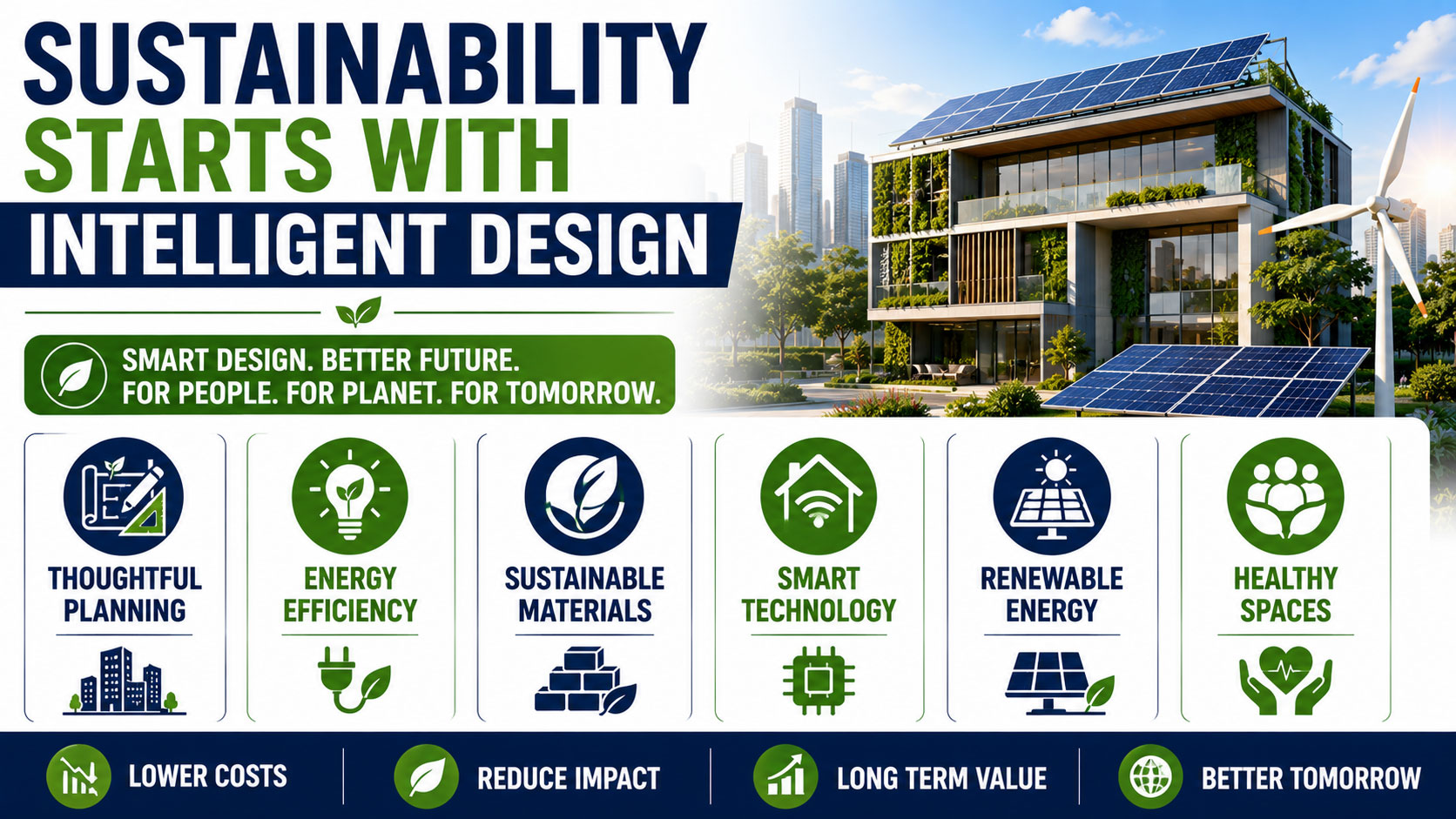
Intelligent design combines sustainability, energy efficiency, smart technology, and thoughtful planning to create healthier spaces that reduce environmental impact and long-term operating costs.
Sustainability is no longer a trend – it has become a necessity for modern homes, commercial buildings, and infrastructure projects. Rising energy costs, environmental concerns, and changing regulations are encouraging individuals and organizations to rethink how spaces are designed and built. While renewable energy and eco-friendly materials play important roles, true sustainability begins much earlier. It starts with intelligent design.
Intelligent design is about making informed decisions that optimize resources, improve efficiency, reduce waste, and create spaces that remain functional and environmentally responsible throughout their lifecycle. From the first concept sketch to final execution, every design decision contributes to a building’s long-term performance.
Planning with Purpose
Sustainable projects begin with careful planning rather than expensive technology. A well-planned building considers its orientation, climate, natural lighting, ventilation, occupancy patterns, and future requirements before construction even begins.
Intelligent planning minimizes unnecessary structural changes, optimizes available space, and reduces material wastage. It also ensures that different building systems – including interiors, electrical infrastructure, HVAC, lighting, automation, fire safety, and renewable energy – work together seamlessly instead of operating independently.
When planning is done correctly, sustainability becomes a natural outcome rather than an additional expense.
Designing for Energy Efficiency
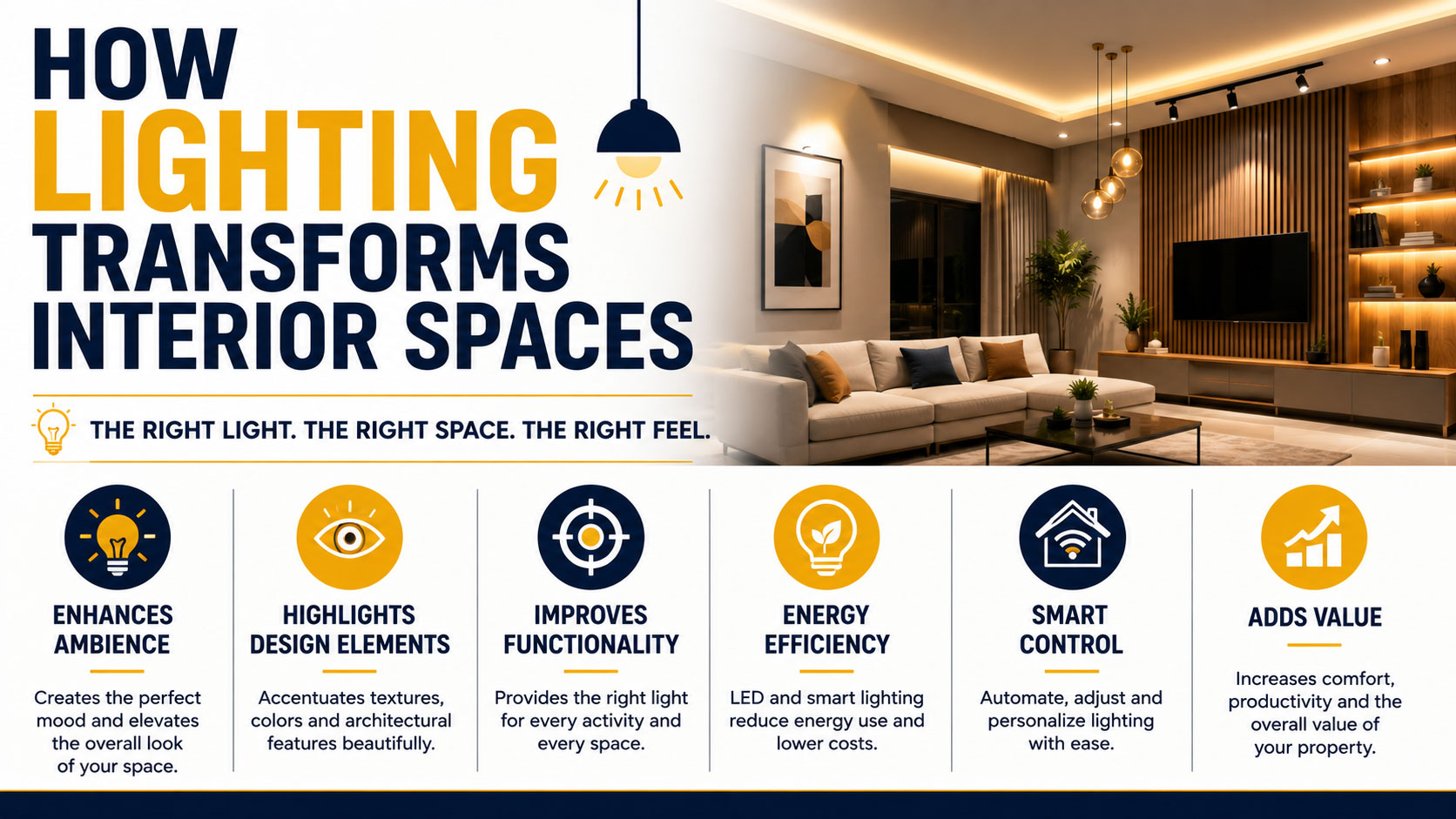
One of the primary goals of intelligent design is reducing energy consumption without compromising comfort. Large windows positioned strategically can maximize daylight while minimizing heat gain. Proper insulation reduces cooling requirements. Energy-efficient lighting, occupancy sensors, automated climate control, and smart electrical systems further reduce power consumption.
Every unit of energy saved lowers operational costs while reducing the building’s environmental footprint. Over time, these savings often exceed the initial investment made during construction.
Choosing Sustainable Materials
Material selection has a significant impact on both environmental sustainability and building performance. Intelligent designers prioritize durable, recyclable, locally sourced, and low-emission materials that require minimal maintenance. Engineered wood, recycled steel, eco-friendly flooring, low-VOC paints, energy-efficient glass, and sustainable insulation products contribute to healthier indoor environments while reducing carbon emissions.
Selecting quality materials also extends the life of the building, reducing the need for frequent renovations and replacements.
Technology Makes Buildings Smarter
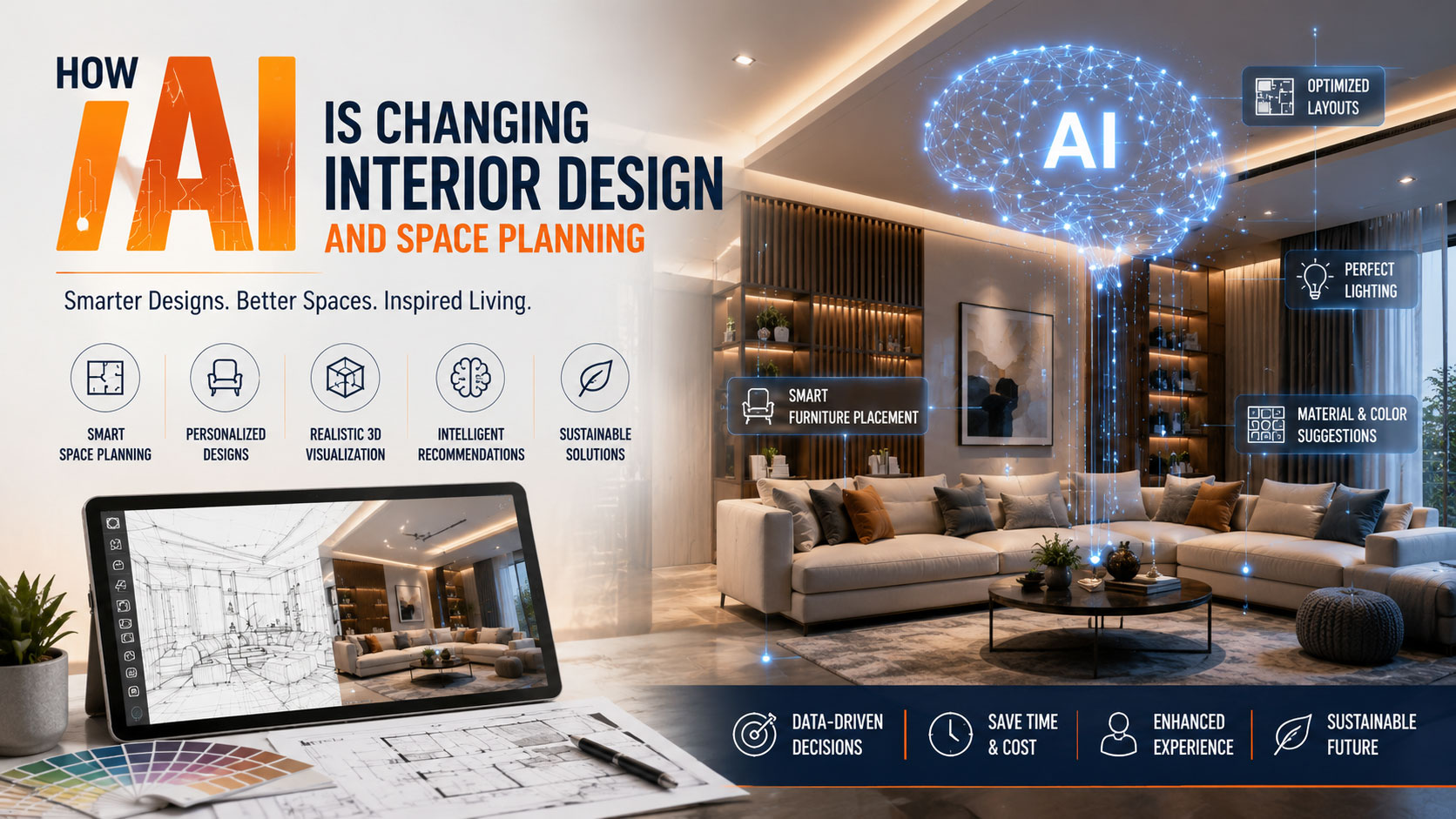
Modern sustainability goes beyond construction materials. Smart technologies now play a major role in reducing resource consumption and improving operational efficiency. Building automation systems control lighting, air conditioning, security, and energy usage based on occupancy and real-time conditions. AI-powered monitoring identifies inefficiencies, predicts maintenance needs, and optimizes energy performance automatically.
These intelligent systems improve comfort while helping organizations achieve significant long-term operational savings.
Integrating Renewable Energy
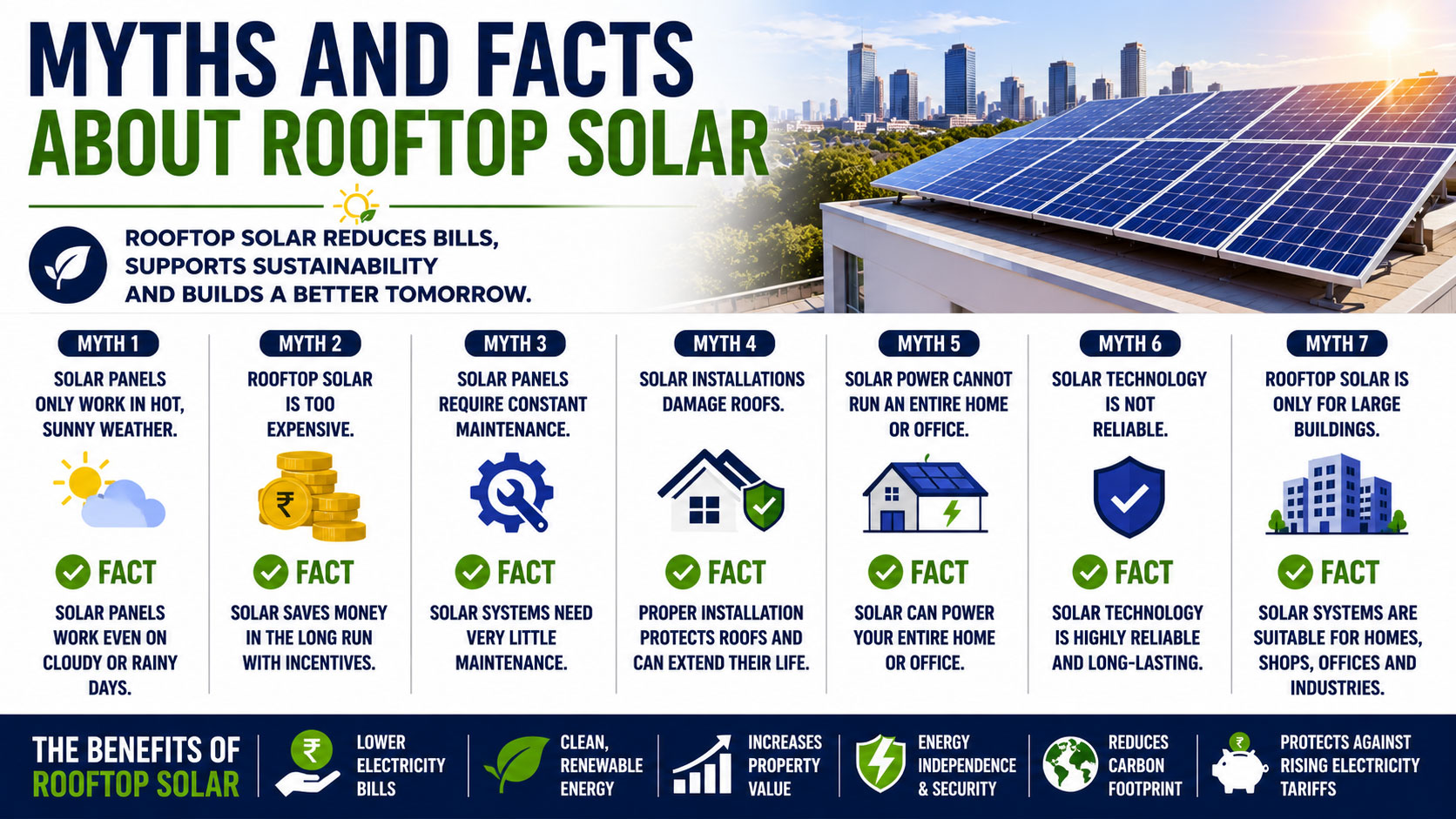
Sustainability becomes even more effective when intelligent design incorporates renewable energy solutions from the beginning. Rooftop solar installations, battery storage systems, energy monitoring platforms, and efficient electrical infrastructure enable buildings to generate and manage their own power. Early integration ensures that structural provisions, electrical capacity, and system layouts are optimized before construction is completed.
Instead of treating solar energy as an afterthought, intelligent design makes it an integral part of the overall building strategy.
Designing Healthy Living and Working Spaces
Sustainable buildings should not only conserve resources – they should also improve the quality of life for the people who occupy them. Natural ventilation, daylight, acoustic comfort, indoor plants, ergonomic layouts, and improved air quality create healthier environments that enhance productivity and well-being.
Research consistently shows that well-designed workplaces improve employee satisfaction, reduce absenteeism, and increase productivity. Similarly, thoughtfully designed homes contribute to healthier lifestyles and greater everyday comfort.
Reducing Lifecycle Costs
Many people mistakenly believe sustainable buildings are more expensive. While some eco-friendly technologies may involve higher initial investments, intelligent design focuses on reducing total lifecycle costs. Lower electricity consumption, reduced maintenance, improved durability, longer equipment life, and efficient resource utilization generate substantial savings over the building’s lifespan.
Sustainability should be viewed as a long-term financial strategy rather than a short-term construction cost.
Integrated Execution Delivers Better Results
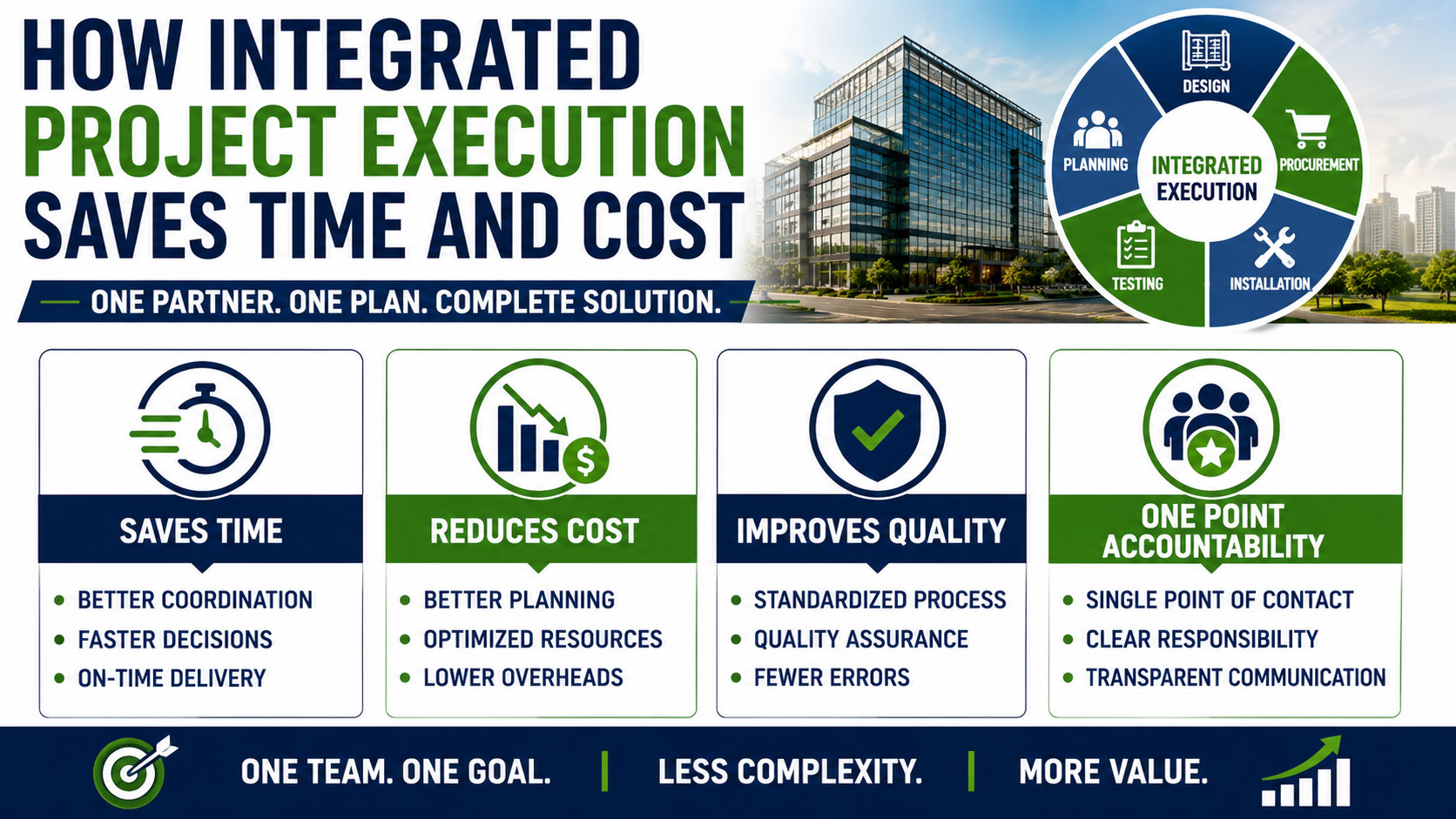
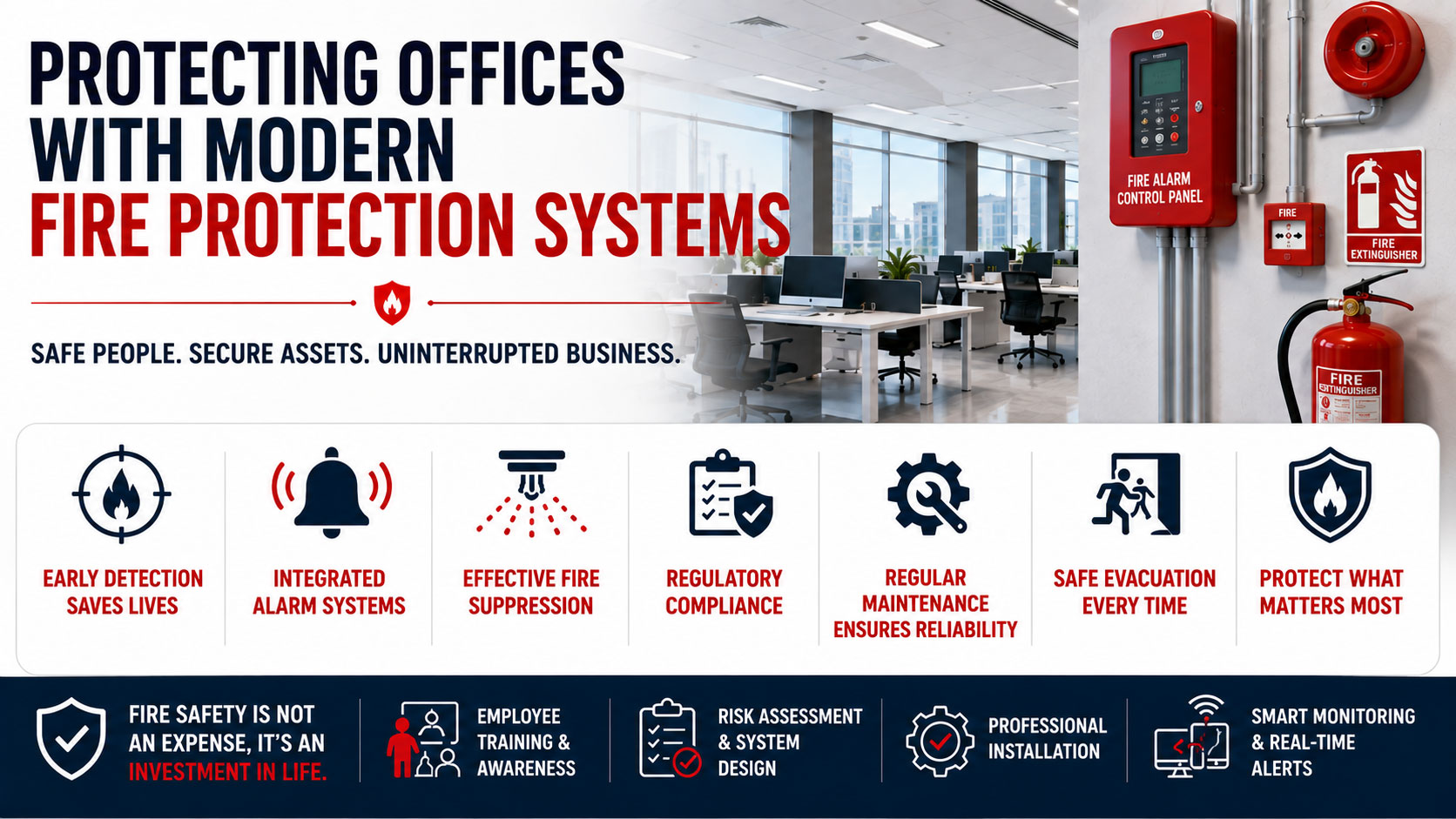
The success of sustainable projects depends not only on design but also on execution. When architects, interior designers, engineers, automation specialists, fire safety experts, and solar consultants collaborate from the beginning, projects become more efficient and better coordinated. Integrated execution eliminates design conflicts, minimizes delays, and ensures every system contributes to the overall sustainability objectives.
This collaborative approach creates smarter buildings that are easier to maintain and more adaptable to future technologies.
Conclusion
Sustainability begins with intelligent decisions – not just during construction, but throughout the entire project lifecycle. Careful planning, energy-efficient design, sustainable materials, smart technology, renewable energy integration, and coordinated execution together create buildings that are environmentally responsible, economically viable, and built for the future.
At Ashtamangal Solutions & Services, we believe intelligent design is the foundation of sustainable living. Our integrated expertise in Interior Solutions, Technical Systems Integration, Fire Safety Systems, and Solar Energy Solutions enables us to deliver spaces that are efficient, secure, environmentally conscious, and future-ready.
Building sustainably is no longer simply about protecting the environment – it is about creating smarter spaces that deliver lasting value for generations to come.
#Sustainability #IntelligentDesign #GreenBuildings #SustainableInteriors #SmartBuildings #EnergyEfficiency #SolarEnergy #EcoFriendlyDesign #AshtamangalSolutions #FutureReadyBuildings