
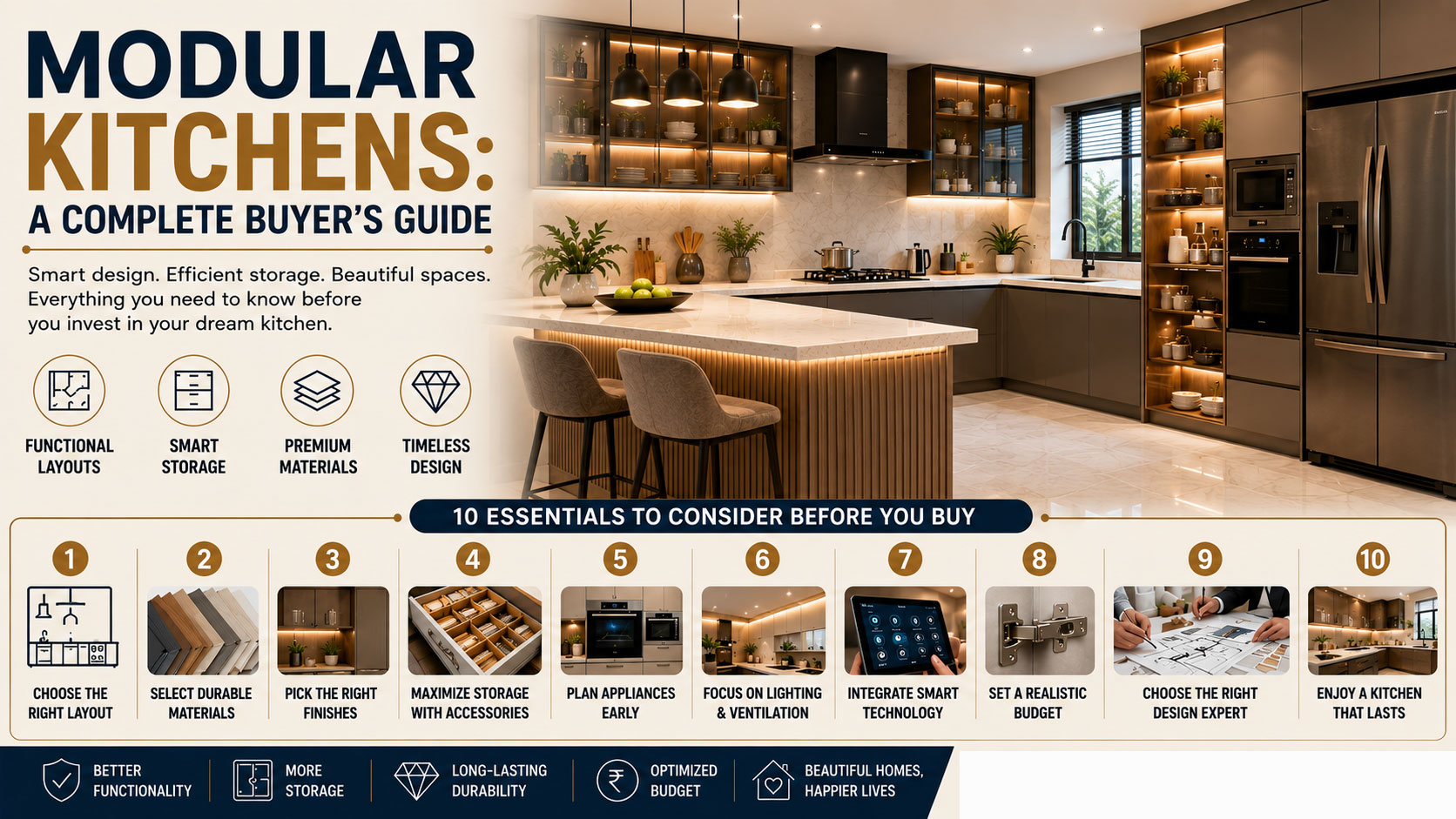
Discover everything you need to know before investing in a modular kitchen, from layouts and materials to finishes, storage, appliances, and budgeting.
The kitchen is no longer just a place for cooking – it has become the heart of the modern home. Families gather here, conversations begin here, and memories are created every day. As lifestyles evolve, homeowners are increasingly choosing modular kitchens for their functionality, aesthetics, and efficient use of space. Whether you are building a new home or renovating an existing one, understanding the fundamentals of modular kitchens will help you make an informed investment that delivers value for years.
What Is a Modular Kitchen?
A modular kitchen is a factory-manufactured kitchen system made up of standardized cabinets, drawers, shelves, countertops, and accessories that are assembled on-site. Unlike traditional carpentry, modular kitchens offer precision manufacturing, faster installation, consistent quality, and greater flexibility.
They are available in a wide range of designs, finishes, colours, and configurations to suit different budgets, lifestyles, and home sizes.
Choosing the Right Kitchen Layout
The layout is the foundation of an efficient kitchen. Selecting the right configuration depends on the available space and your cooking habits.
L-Shaped Kitchen
Ideal for small and medium-sized homes, this layout provides excellent workflow while maximizing corner space.
U-Shaped Kitchen
Perfect for larger families, it offers extensive storage and generous work surfaces.
Parallel Kitchen
Designed for compact apartments, this layout creates separate work zones while maintaining excellent efficiency.
Island Kitchen
A popular choice for premium homes, island kitchens provide additional workspace, dining options, and social interaction.
Straight Kitchen
Suitable for studio apartments and compact spaces where simplicity and functionality are priorities.
Select Durable Materials
Material selection determines the durability, appearance, and maintenance requirements of your kitchen. Popular cabinet materials include:
- Marine Plywood
- BWP (Boiling Water Proof) Plywood
- HDHMR Boards
- MDF
- Particle Board
For countertops, homeowners often choose:
- Quartz
- Granite
- Solid Surface
- Sintered Stone
While budget plays a role, investing in moisture-resistant materials significantly improves the kitchen’s lifespan.
Choose Finishes That Match Your Lifestyle
Kitchen finishes influence both aesthetics and maintenance. Common options include:
- Laminate
- Acrylic
- PU Finish
- Membrane Finish
- Glass Finish
- Veneer
Glossy finishes create a premium appearance, while matte finishes offer a sophisticated, fingerprint-resistant surface that is easier to maintain.
Maximize Storage with Smart Accessories
A modern modular kitchen should maximize every inch of available space. Popular storage solutions include:
- Tandem drawers
- Corner carousel units
- Tall pantry units
- Cutlery organizers
- Bottle pull-outs
- Magic corner mechanisms
- Waste segregation bins
- Lift-up wall cabinets
Well-designed storage not only keeps the kitchen organized but also makes everyday cooking more efficient.
Plan Appliances Before Construction
Kitchen appliances should never be treated as an afterthought. Plan locations for:
- Refrigerator
- Microwave
- Oven
- Hob
- Chimney
- Dishwasher
- Water Purifier
Early planning ensures proper electrical points, plumbing connections, ventilation, and cabinet dimensions, preventing costly modifications later.
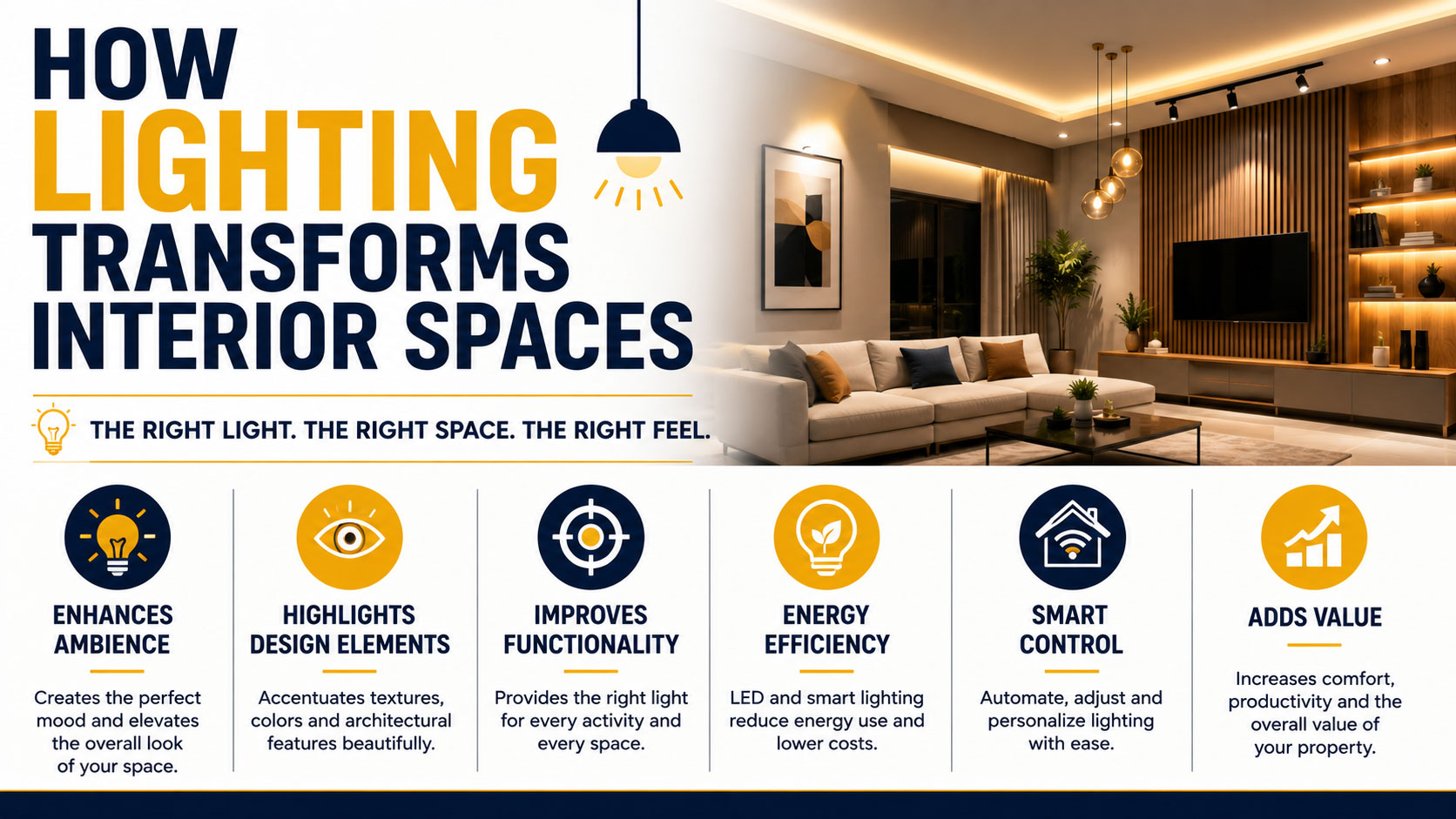
Focus on Lighting and Ventilation
Good lighting enhances both functionality and ambience. Combine multiple lighting layers:
- Ceiling lighting
- Under-cabinet LED lighting
- Task lighting
- Decorative pendant lights
Proper ventilation through chimneys, exhaust systems, and natural airflow keeps the kitchen comfortable while protecting cabinets from moisture and grease.
Integrate Smart Kitchen Technology
Technology is transforming modern kitchens. Today’s modular kitchens can include:
- Motion-sensor lighting
- Touchless faucets
- Smart appliances
- Voice-controlled lighting
- Automated storage systems
- Energy-efficient equipment
These features improve convenience while making kitchens safer and more energy-efficient.
Budget Wisely Without Compromising Quality
A modular kitchen is a long-term investment. While decorative elements can be upgraded over time, the core structure should prioritize quality. Allocate your budget carefully:
- 35% Cabinets & Storage
- 25% Countertops
- 15% Hardware
- 10% Appliances
- 10% Lighting & Accessories
- 5% Installation & Finishing
Investing in quality hardware, hinges, drawer channels, and waterproof materials reduces maintenance costs and extends the kitchen’s lifespan.
Partner with the Right Interior Expert
Choosing an experienced interior company is just as important as selecting materials. A professional team helps you:
- Optimize layouts
- Select suitable materials
- Balance aesthetics and functionality
- Manage budgets
- Coordinate installations
- Deliver projects on time
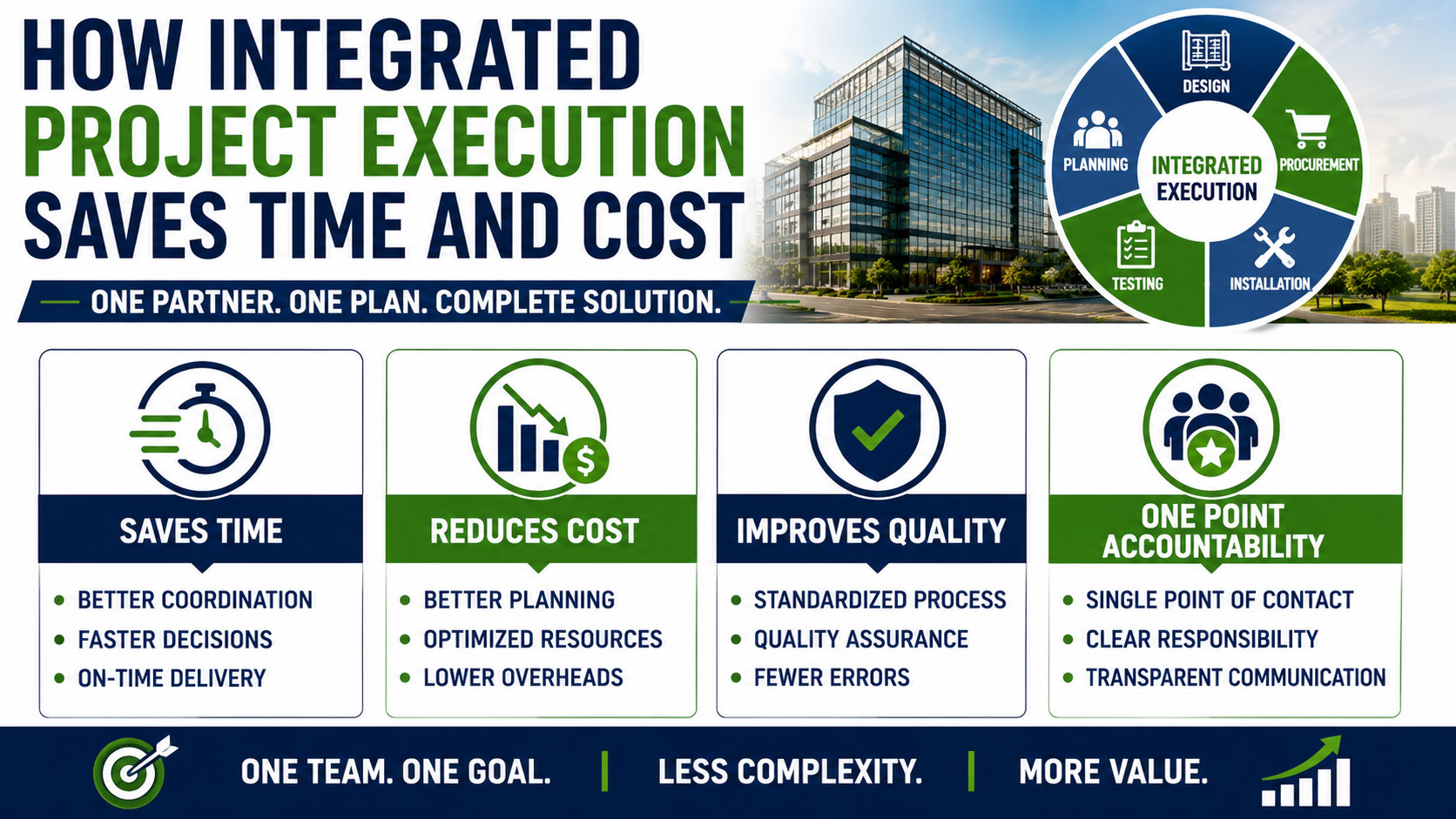
An integrated approach ensures that your modular kitchen complements the overall interior design of your home.
Final Thoughts
A modular kitchen is more than a collection of cabinets – it is an investment in convenience, organization, and everyday living. The right design should combine intelligent planning, durable materials, efficient storage, quality hardware, and modern technology to create a space that serves your family for many years.
At Ashtamangal Solutions & Services, we design and execute customized modular kitchens that combine functionality, aesthetics, and engineering excellence. Whether you are looking for a budget-friendly kitchen or a premium luxury design, our team delivers turnkey solutions tailored to your lifestyle, space, and budget.
#ModularKitchen #KitchenDesign #ModernKitchen #KitchenInteriors #HomeInteriors #TurnkeyInteriors #SmartKitchen #InteriorDesign #AshtamangalSolutions #DreamKitchen