
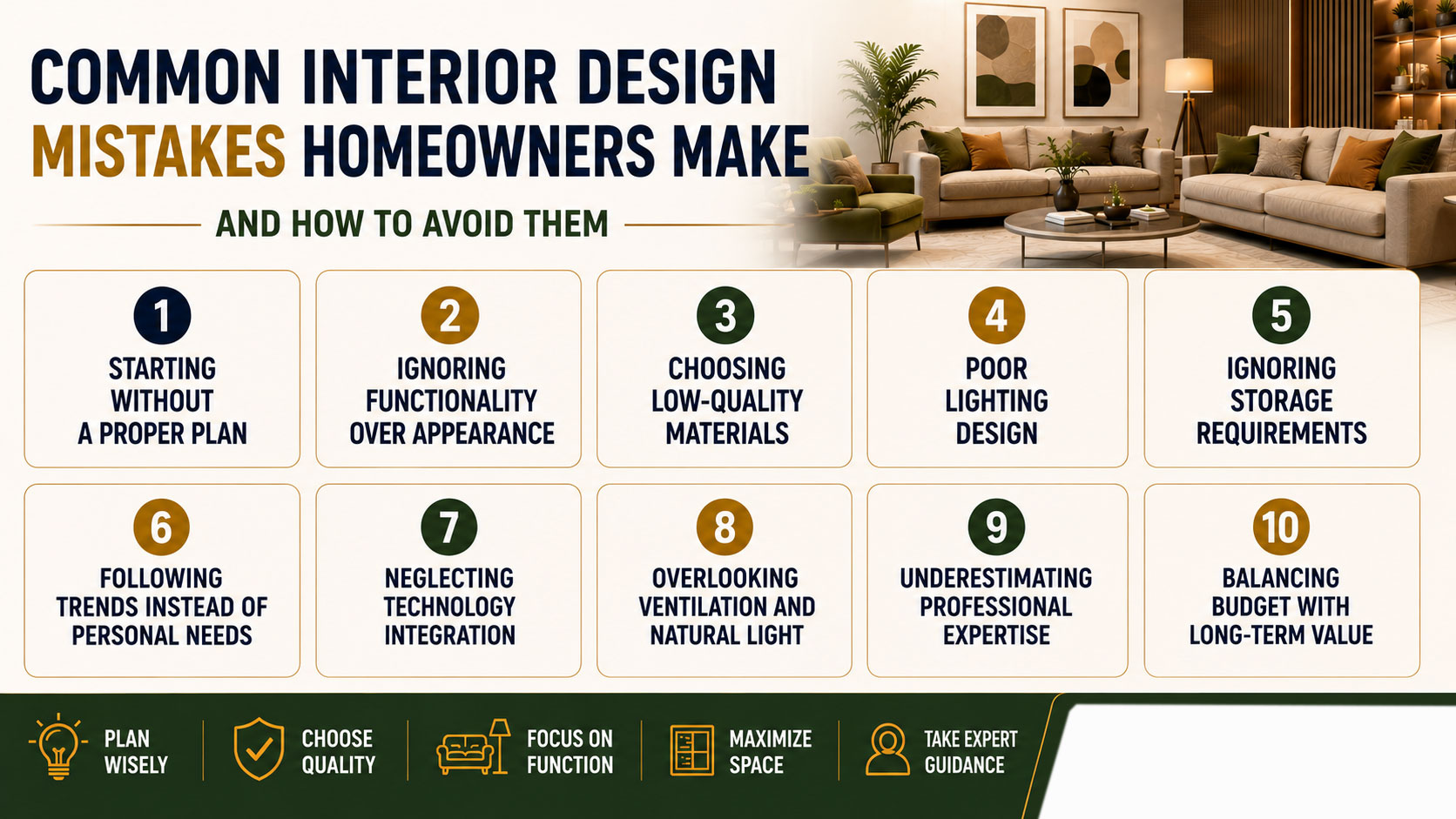
Avoid costly interior design mistakes by planning wisely, choosing quality materials, optimizing space, and balancing aesthetics with functionality to create timeless, comfortable homes.
Designing a home is one of the most exciting investments a homeowner can make. A well-designed interior enhances comfort, improves functionality, and reflects your personality. However, many homeowners unknowingly make decisions that lead to unnecessary expenses, poor space utilization, and long-term dissatisfaction. Interior design is not just about selecting beautiful furniture or attractive colours – it is about creating a balanced environment where aesthetics and practicality work together. Understanding these common mistakes can help you avoid costly errors and create a home that remains functional and stylish for years.
Starting Without a Proper Plan
One of the biggest mistakes homeowners make is beginning an interior project without a clear plan. Many people purchase furniture, lighting, or décor items before finalizing the overall layout, resulting in mismatched designs and inefficient use of space.
Every successful interior project begins with understanding the family’s lifestyle, storage requirements, budget, and future needs. Preparing detailed layouts, electrical plans, furniture placements, and material selections before execution minimizes changes during construction and helps keep the project on schedule.
Ignoring Functionality in Favour of Appearance
A beautiful home should also be comfortable and practical. Many homeowners focus heavily on aesthetics while overlooking everyday usability. Oversized furniture, decorative lighting with poor illumination, or poorly positioned storage units may look impressive but often create inconvenience during daily use.
A successful interior balances visual appeal with functionality. Every room should support its intended purpose while allowing comfortable movement, easy maintenance, and efficient organization.
Choosing Low-Quality Materials to Reduce Costs
Trying to reduce costs by selecting inferior materials often leads to higher expenses later. Poor-quality plywood, hardware, laminates, plumbing fixtures, or electrical components wear out quickly and require frequent repairs or replacements.
Instead of compromising on structural quality, homeowners should invest in durable materials for cabinets, flooring, waterproofing, plumbing, and electrical systems. Decorative accessories can always be upgraded later, but foundational elements should be built to last.
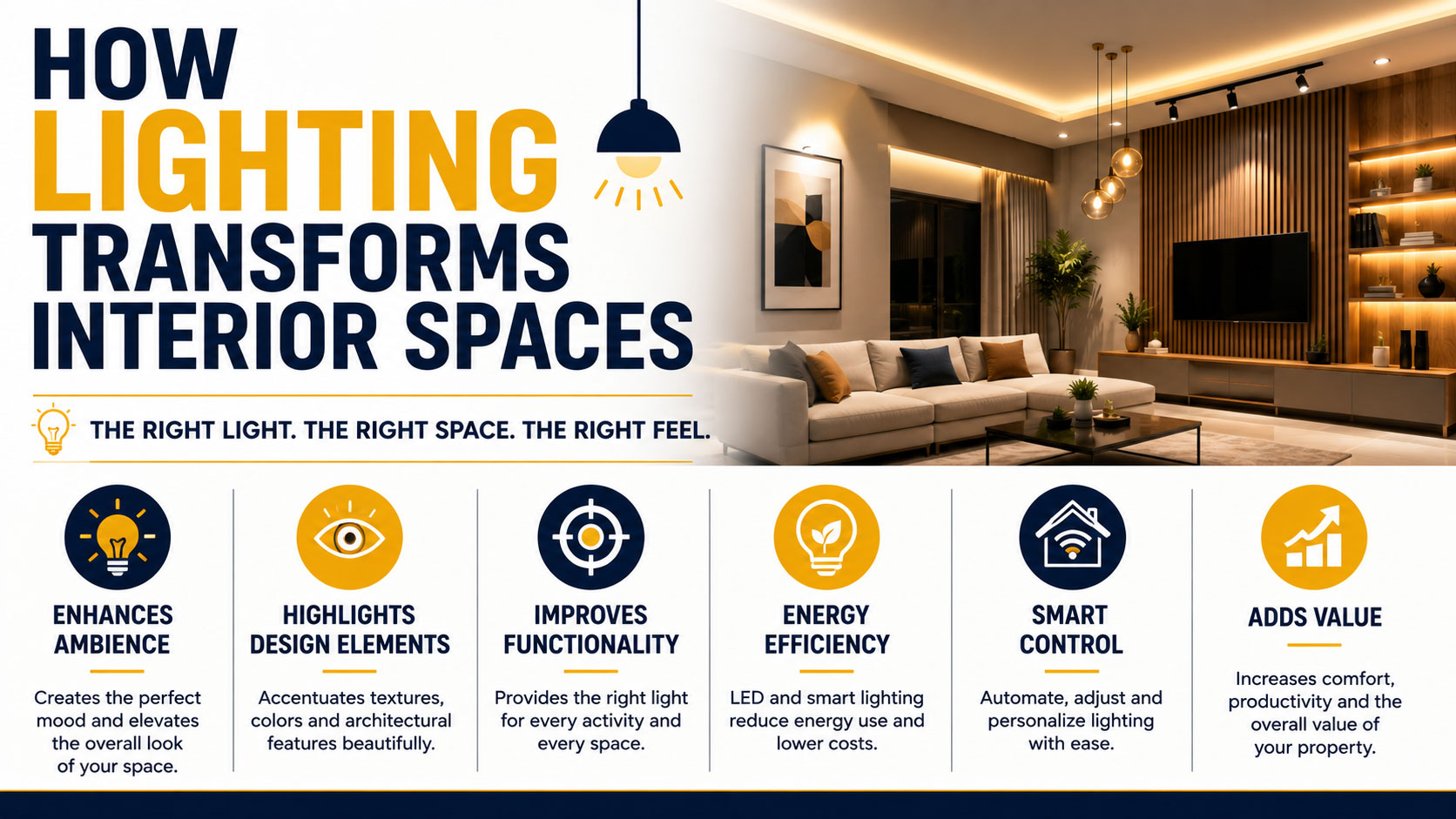
Poor Lighting Design
Lighting is frequently treated as an afterthought during interior planning. Depending solely on ceiling lights creates flat, uninspiring spaces and reduces functionality.
A well-designed home combines ambient lighting, task lighting, accent lighting, and decorative fixtures to create depth and atmosphere. Proper lighting improves comfort, highlights architectural features, and makes interiors appear more spacious and welcoming.
Ignoring Storage Requirements
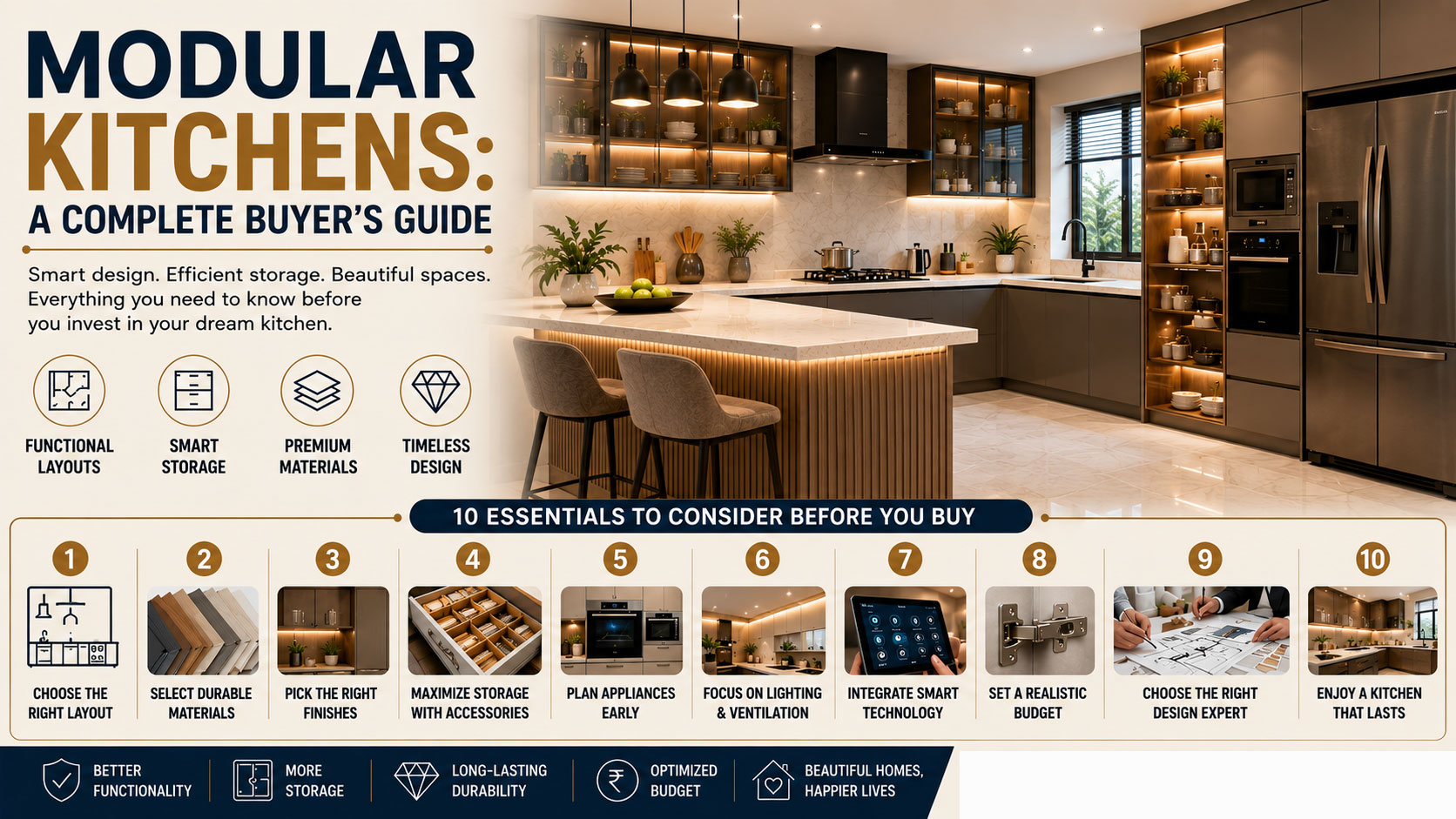
Storage is one of the most underestimated aspects of interior design. Many homeowners realize only after moving in that there is insufficient space for clothing, kitchen appliances, cleaning supplies, or household essentials.
Smart storage solutions such as floor-to-ceiling wardrobes, modular cabinets, hidden compartments, pull-out organizers, and multifunctional furniture help maintain clutter-free living while maximizing every available square foot.
Following Trends Instead of Personal Needs
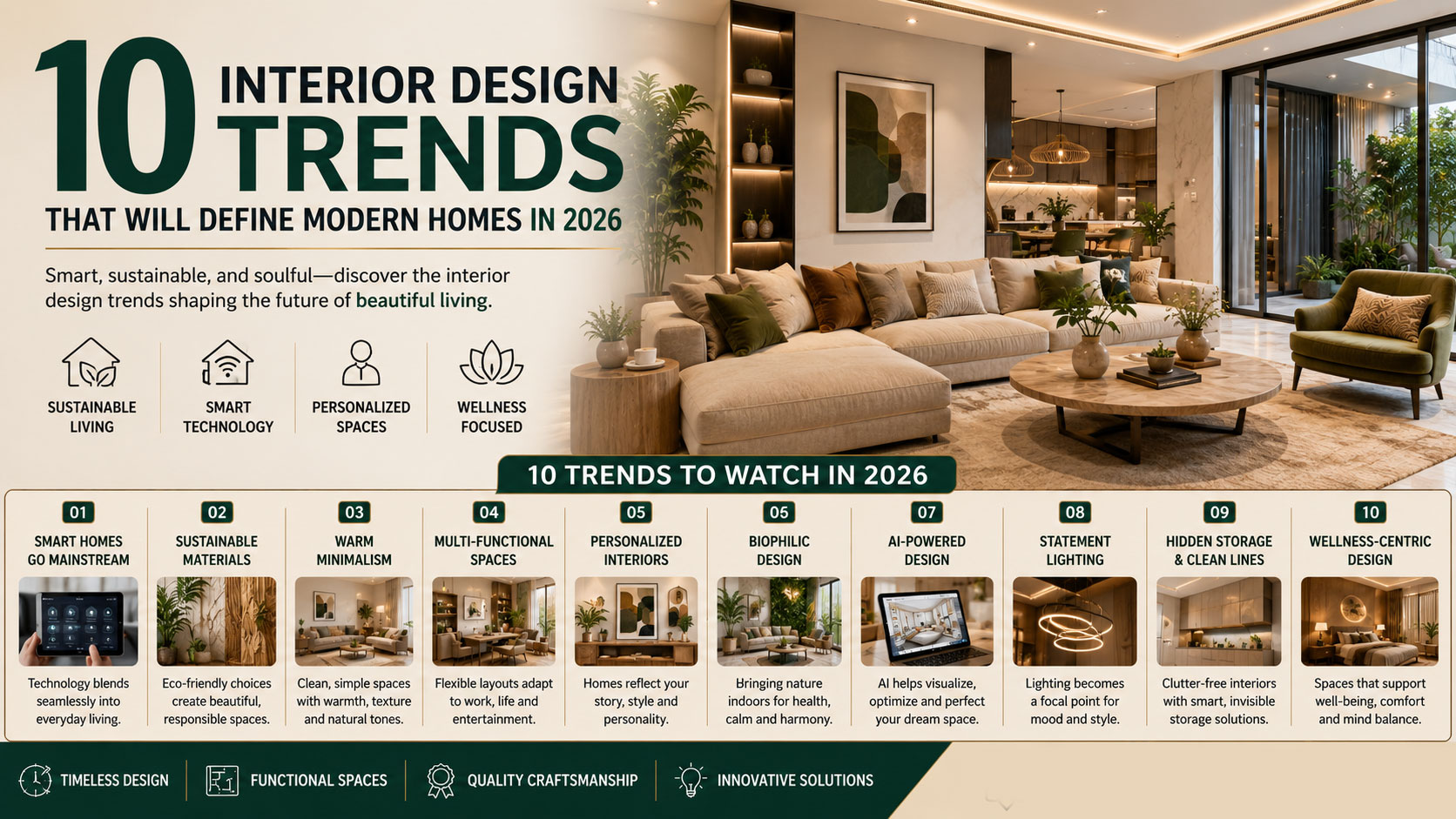
Interior design trends change frequently, but homes should remain comfortable for many years. Designing a home solely around social media trends or temporary fashions may result in interiors that quickly feel outdated.
Instead, homeowners should focus on timeless design principles and personalize spaces according to their lifestyle, preferences, and daily routines. Neutral foundations combined with carefully selected accent pieces provide flexibility for future updates.
Neglecting Technology Integration
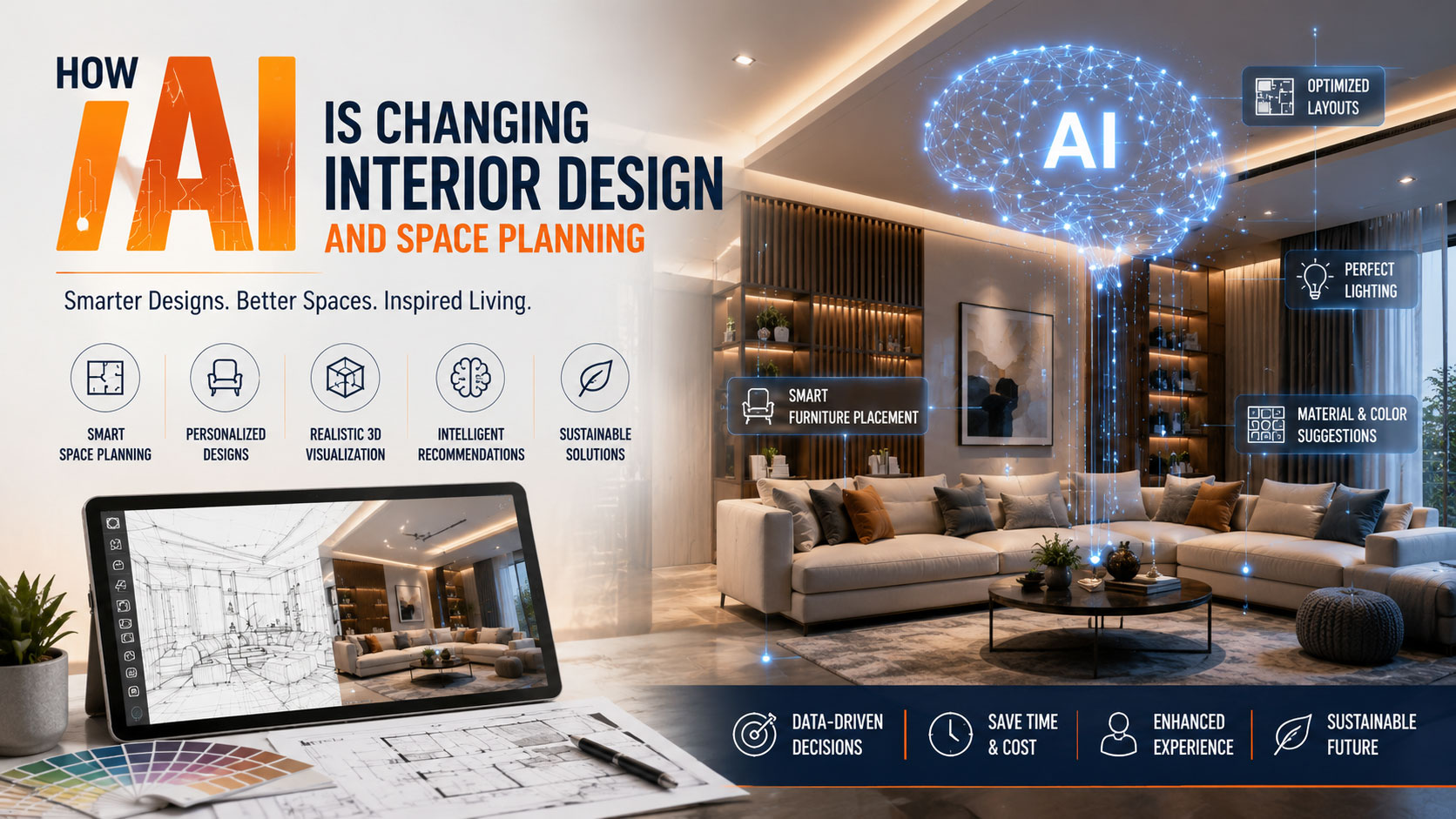
Modern homes increasingly depend on technology for convenience, safety, and energy efficiency. Many homeowners fail to plan for smart lighting, home automation, CCTV systems, access control, networking, or sufficient electrical outlets during the design stage.
Planning technology infrastructure early avoids expensive modifications after completion and ensures seamless integration of intelligent home solutions.
Overlooking Ventilation and Natural Light
Natural light and ventilation significantly influence comfort, health, and energy efficiency. Blocking windows with oversized furniture, using heavy curtains throughout the house, or ignoring airflow creates darker, less inviting interiors.
Maximizing daylight through thoughtful furniture placement, light colour palettes, reflective surfaces, and proper ventilation makes spaces feel brighter, healthier, and more energy efficient.
Underestimating Professional Expertise
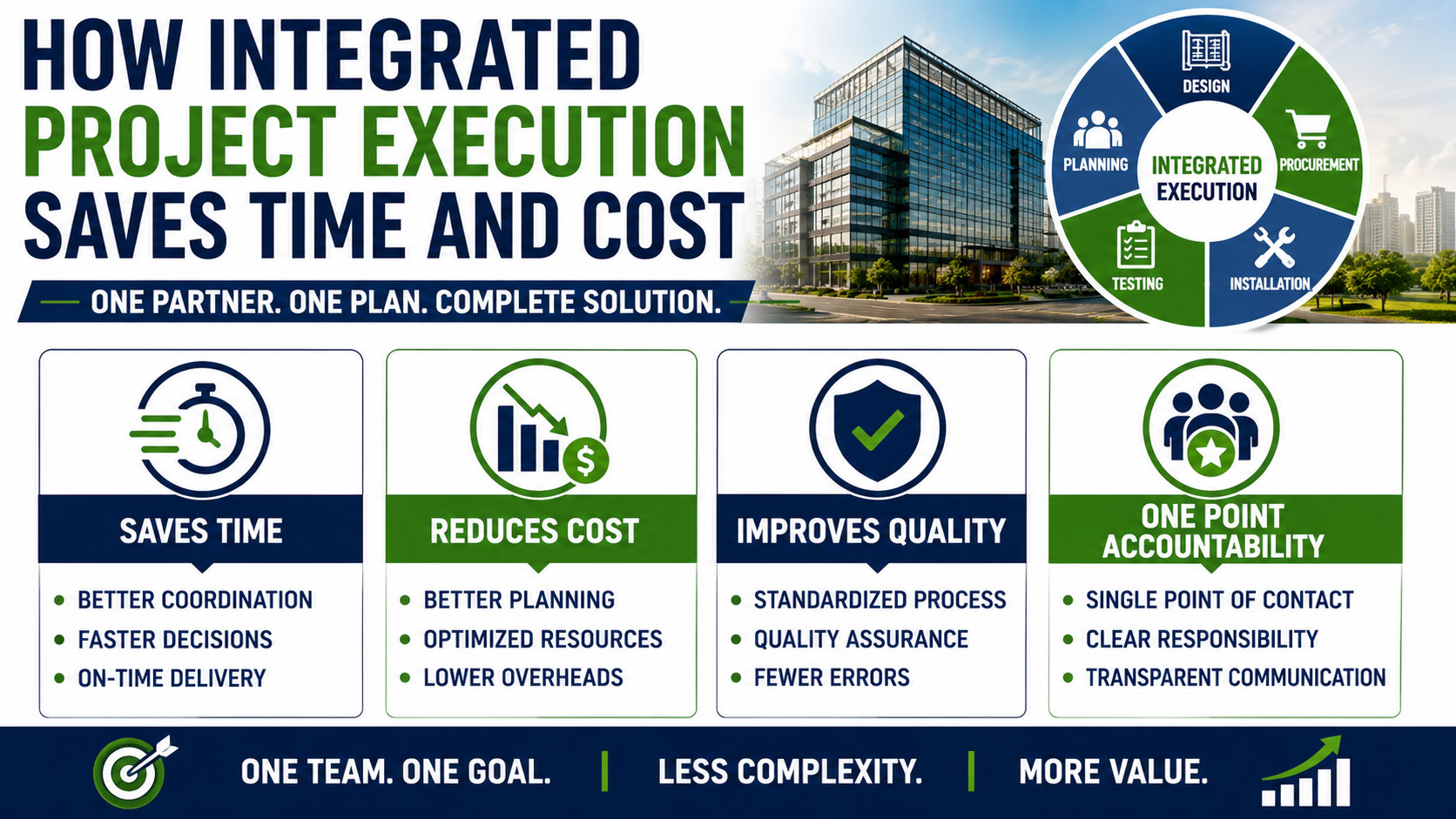
Many homeowners attempt to manage interior projects independently, assuming it will reduce costs. However, lack of technical knowledge often leads to design inconsistencies, vendor coordination issues, delayed timelines, and budget overruns.
Experienced interior professionals understand space planning, material selection, project management, and technical execution. Their expertise helps prevent costly mistakes while ensuring quality, safety, and timely completion.
Balancing Budget with Long-Term Value
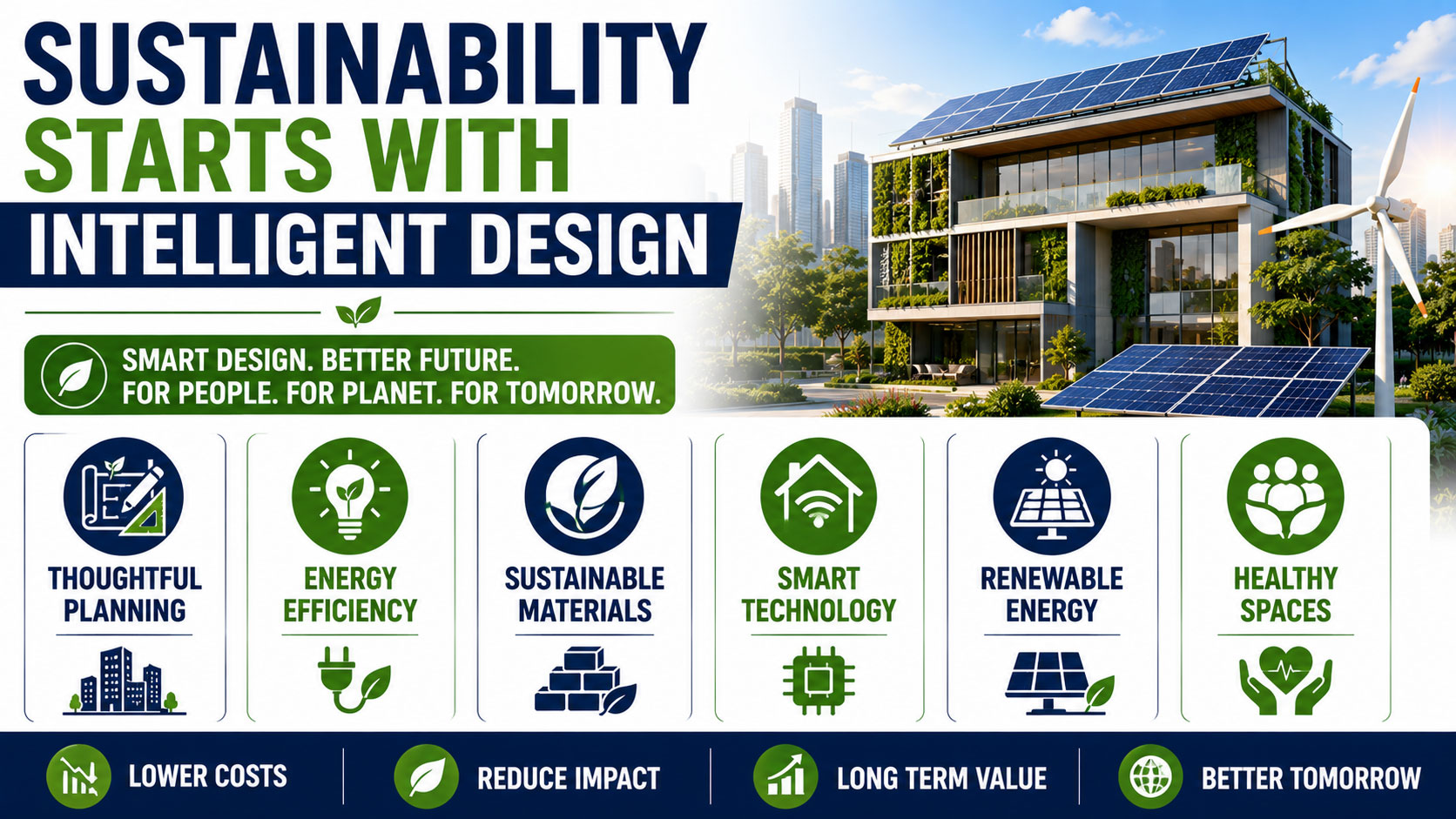
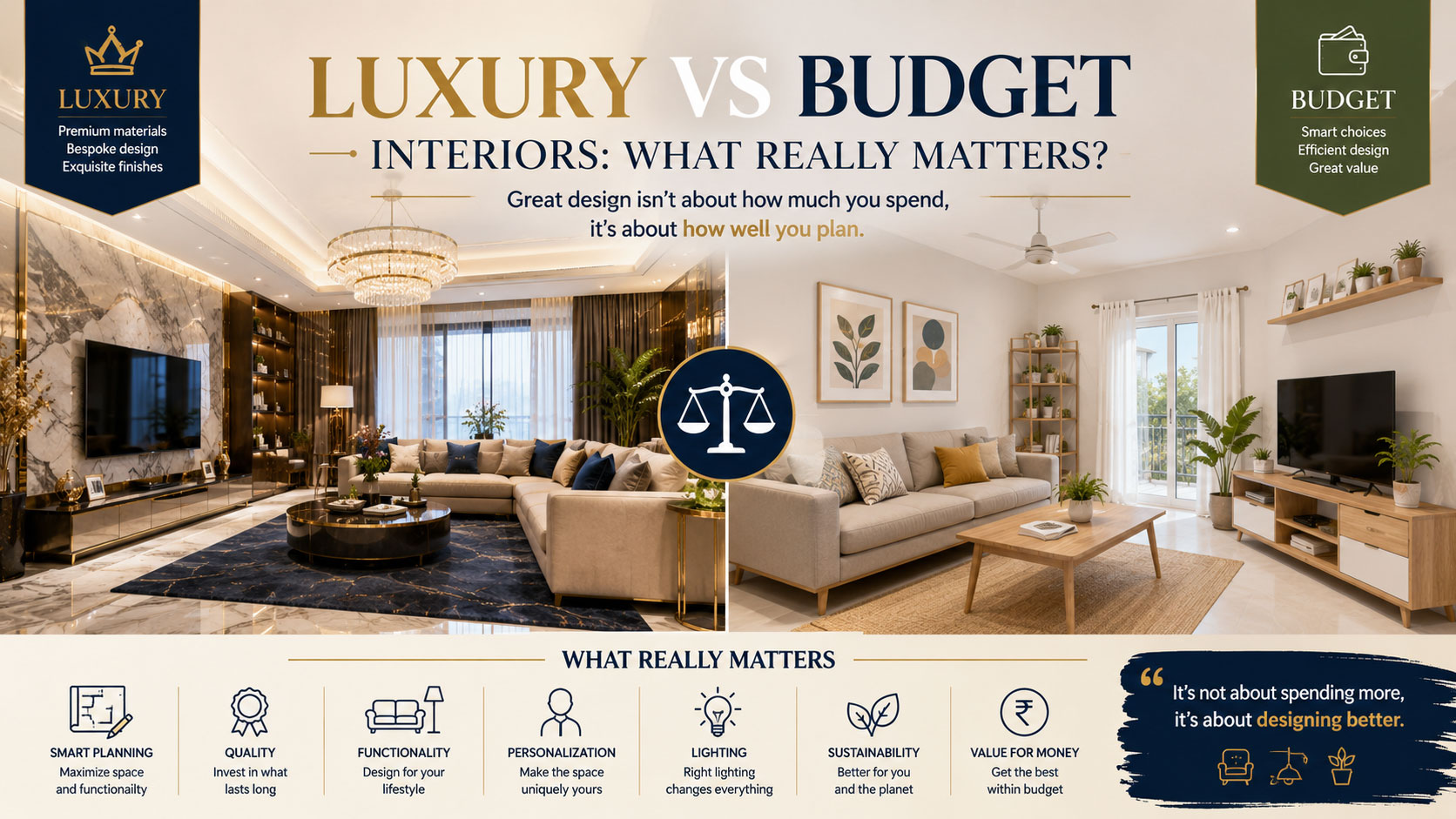
Interior design should be viewed as a long-term investment rather than a short-term expense. Spending wisely on durable materials, quality workmanship, efficient layouts, and future-ready technology delivers better value than choosing the cheapest available options.
A carefully planned interior enhances property value, reduces maintenance costs, and improves everyday living for many years.
Conclusion
Every homeowner dreams of creating a beautiful and comfortable home. Avoiding common interior design mistakes begins with careful planning, thoughtful decision-making, and professional guidance. A successful interior is not defined by expensive furniture or luxurious finishes alone. It is built on intelligent space planning, quality materials, functional layouts, proper lighting, adequate storage, and personalized design.
At Ashtamangal Solutions & Services, we combine design expertise, engineering precision, and turnkey execution to create interiors that are elegant, practical, and built for modern living. Whether your project is budget-friendly or premium, our team ensures every detail contributes to a home that delivers comfort, beauty, and lasting value.
#InteriorDesign #HomeInteriors #InteriorDesignTips #InteriorMistakes #ModernHomes #TurnkeyInteriors #SpacePlanning #HomeRenovation #AshtamangalSolutions #InteriorDesignCompany