
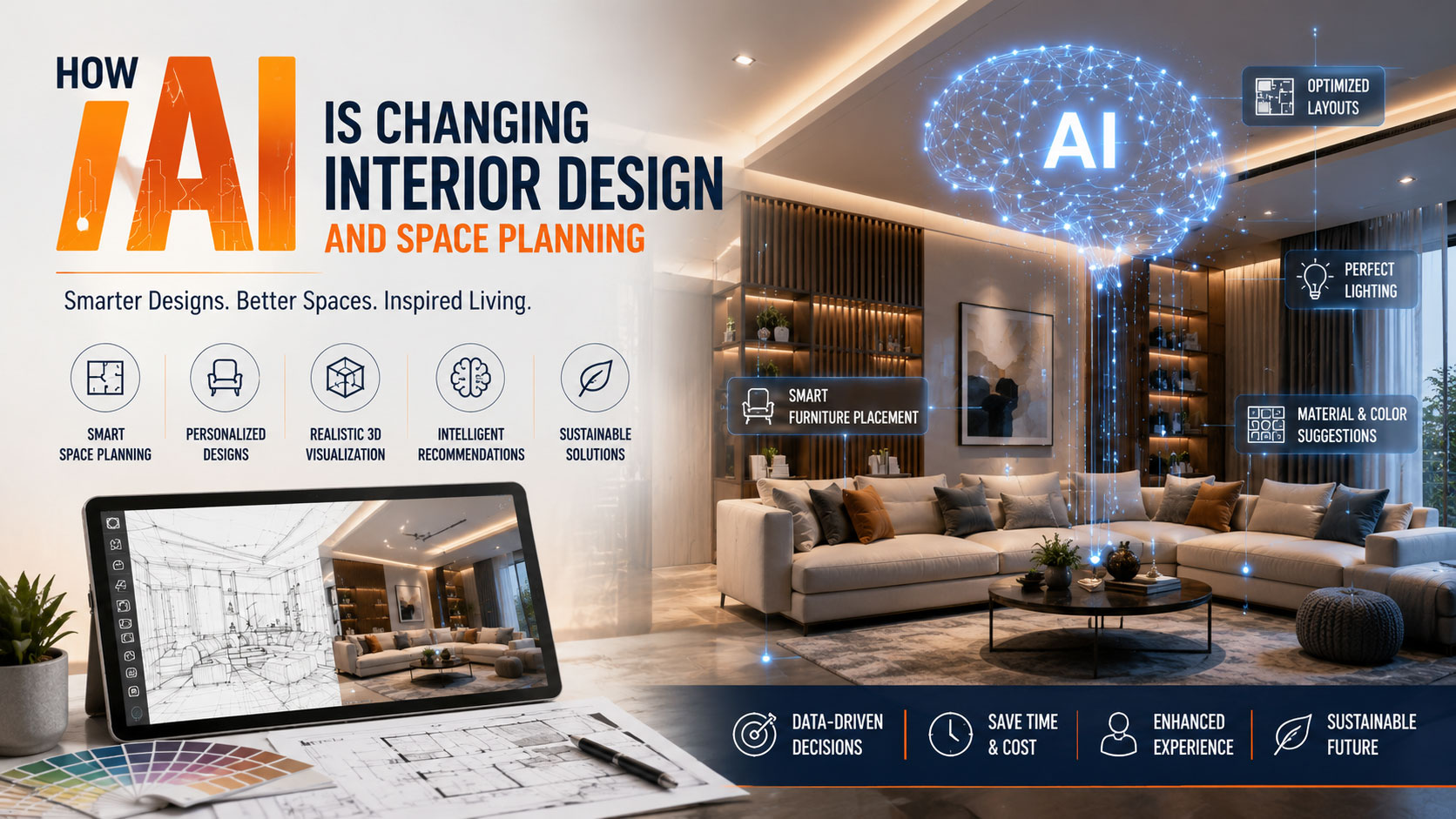
Artificial Intelligence is transforming interior design through smart planning, personalized recommendations, realistic visualization, and data-driven decisions, creating beautiful, efficient, and future-ready living spaces.
How AI is Changing Interior Design and Space Planning
Interior design has always been a blend of creativity, functionality, and technical expertise. Today, Artificial Intelligence (AI) is revolutionizing the way homes, offices, and commercial spaces are planned and designed. Rather than replacing designers, AI empowers them with intelligent tools that simplify decision-making, improve visualization, and deliver highly personalized experiences. From generating design concepts to optimizing layouts and predicting material requirements, AI is making interior design smarter, faster, and more efficient.
AI Makes Space Planning Smarter
Effective space planning is the foundation of every successful interior project. AI-powered software analyzes room dimensions, movement patterns, furniture placement, and natural lighting to create optimized layouts that maximize both aesthetics and functionality.
Instead of relying solely on manual planning, designers can evaluate multiple layout options within minutes. AI identifies unused spaces, suggests better circulation paths, and ensures that every square foot is utilized efficiently. This results in interiors that are comfortable, practical, and visually appealing.
Personalized Designs Based on Lifestyle
Every homeowner has unique preferences, routines, and design aspirations. AI studies user preferences, color choices, furniture styles, and lifestyle requirements to generate personalized design recommendations.
Whether a family prefers a contemporary minimalist home or a luxurious traditional interior, AI helps designers create spaces that reflect individual personalities. By understanding how occupants use different areas, AI also recommends layouts that improve comfort and convenience.
Realistic 3D Visualization Before Execution
One of the biggest challenges in interior design is helping clients visualize the finished space. AI-powered rendering tools create highly realistic 3D models and virtual walkthroughs that allow clients to experience their interiors before construction begins.
This immersive visualization enables homeowners to compare different color schemes, furniture arrangements, lighting options, and material finishes. Design revisions become quicker and more cost-effective, reducing uncertainty and improving customer satisfaction.
Better Material and Furniture Selection
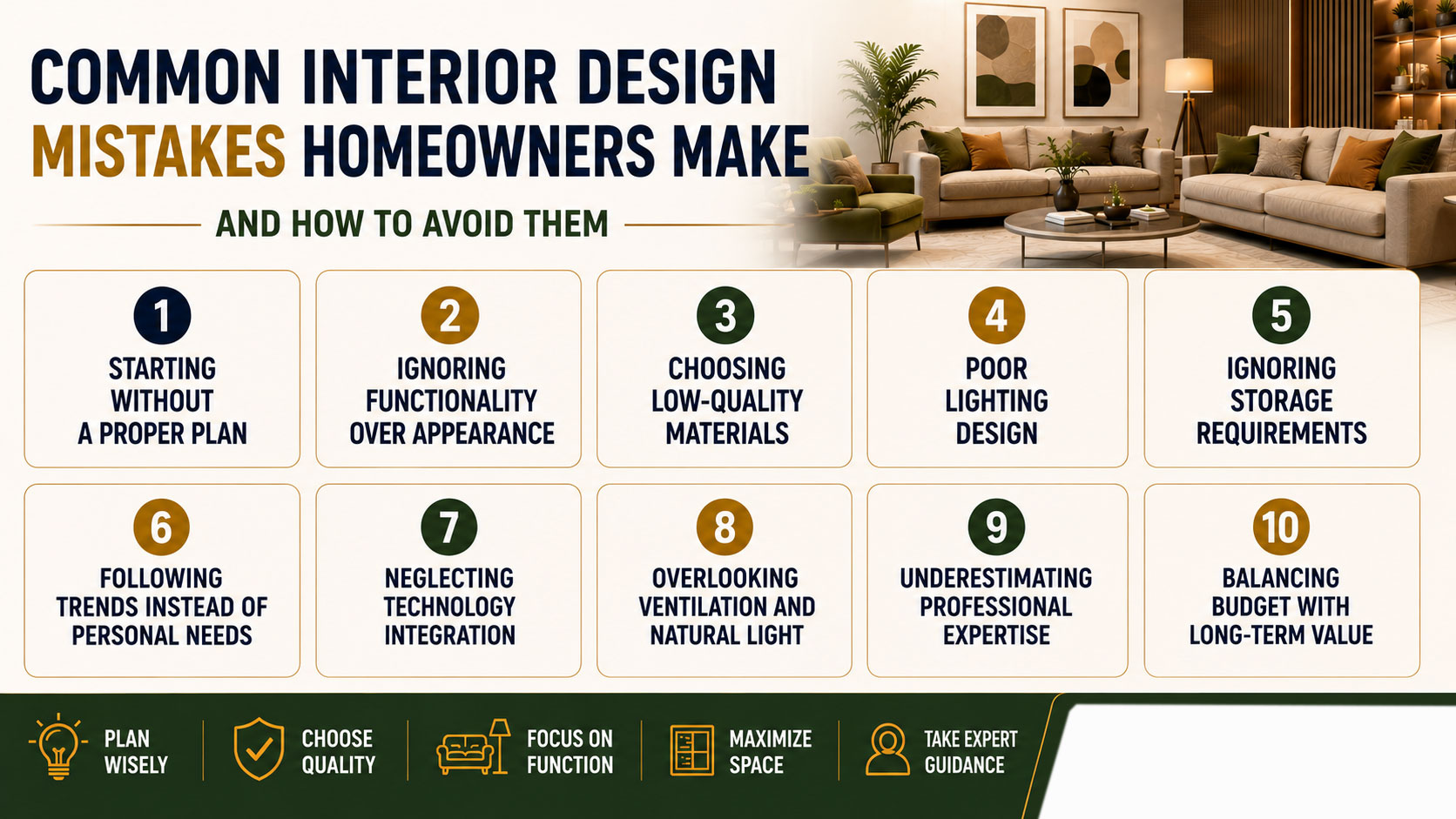
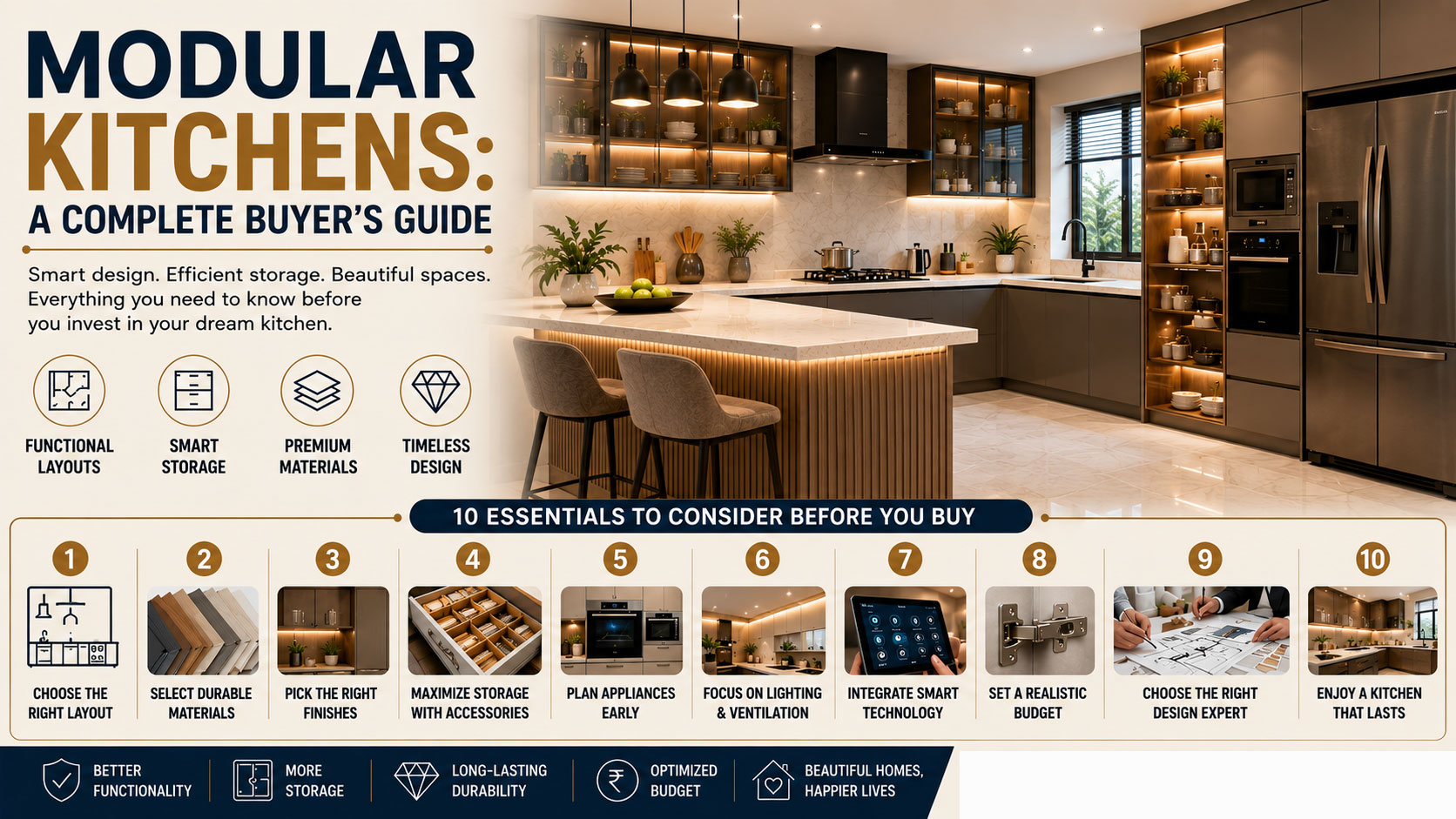
Selecting the right materials, finishes, lighting fixtures, and furniture requires balancing aesthetics, durability, maintenance, and budget. AI simplifies this process by comparing thousands of products and recommending the most suitable combinations.
It can suggest complementary color palettes, sustainable materials, energy-efficient lighting, and furniture that fits available space perfectly. This data-driven approach minimizes costly mistakes while ensuring cohesive interior aesthetics.
Optimizing Budgets Without Compromising Quality
Budget management is one of the most important aspects of any interior project. AI helps designers estimate material quantities, labor costs, project timelines, and procurement requirements with greater accuracy.
By analyzing previous projects and supplier databases, AI identifies cost-saving opportunities without sacrificing quality. Clients receive transparent estimates and can make informed decisions before work begins.
Integrating Smart Home Technologies
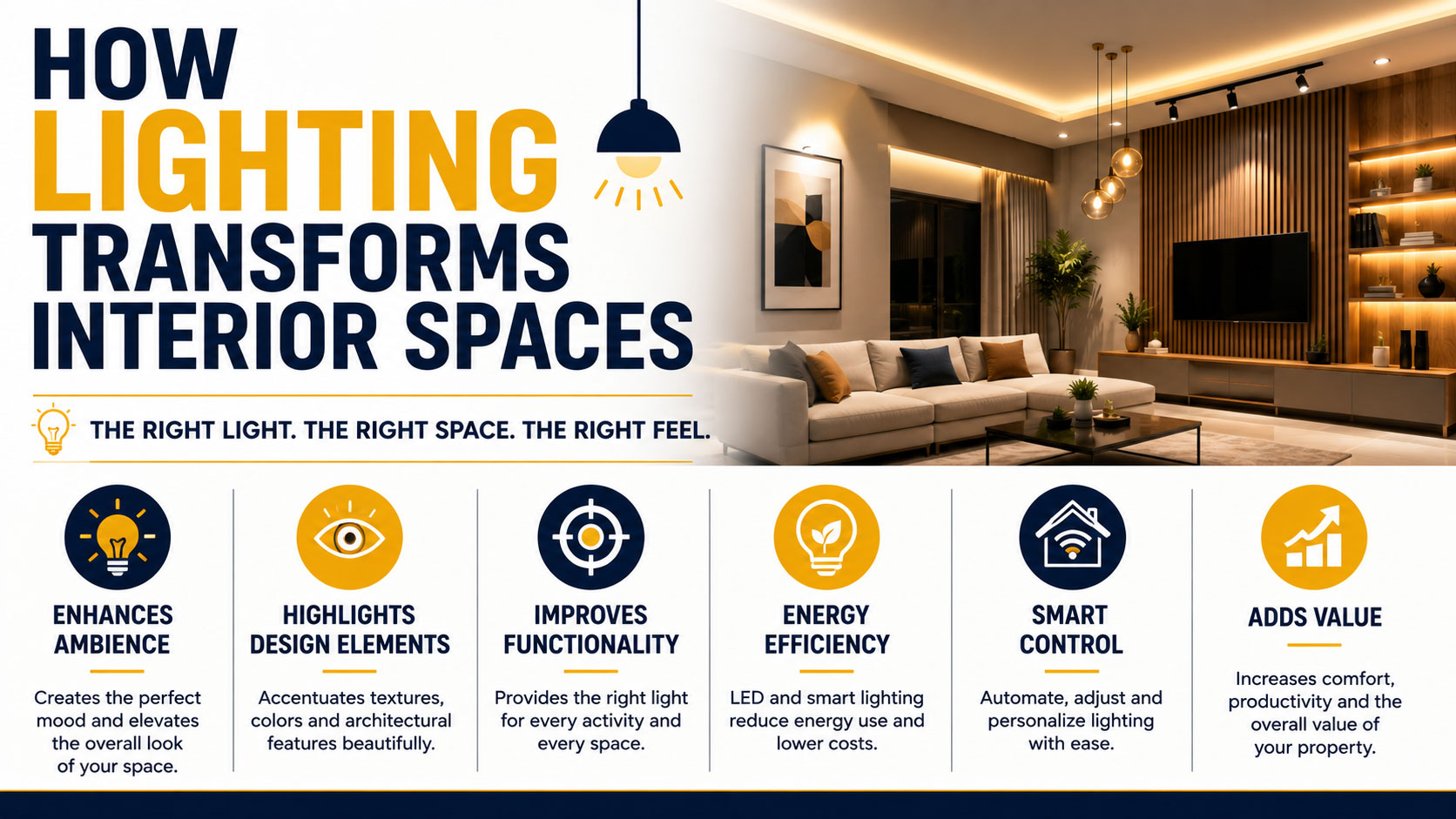
Modern interiors increasingly incorporate smart technologies such as automated lighting, climate control, motorized curtains, security systems, and voice-controlled devices. AI helps designers seamlessly integrate these systems into the overall interior concept.
Instead of treating technology as an afterthought, AI ensures that automation complements both functionality and aesthetics. The result is an intelligent living environment that enhances convenience, energy efficiency, and security.
Supporting Sustainable Interior Design
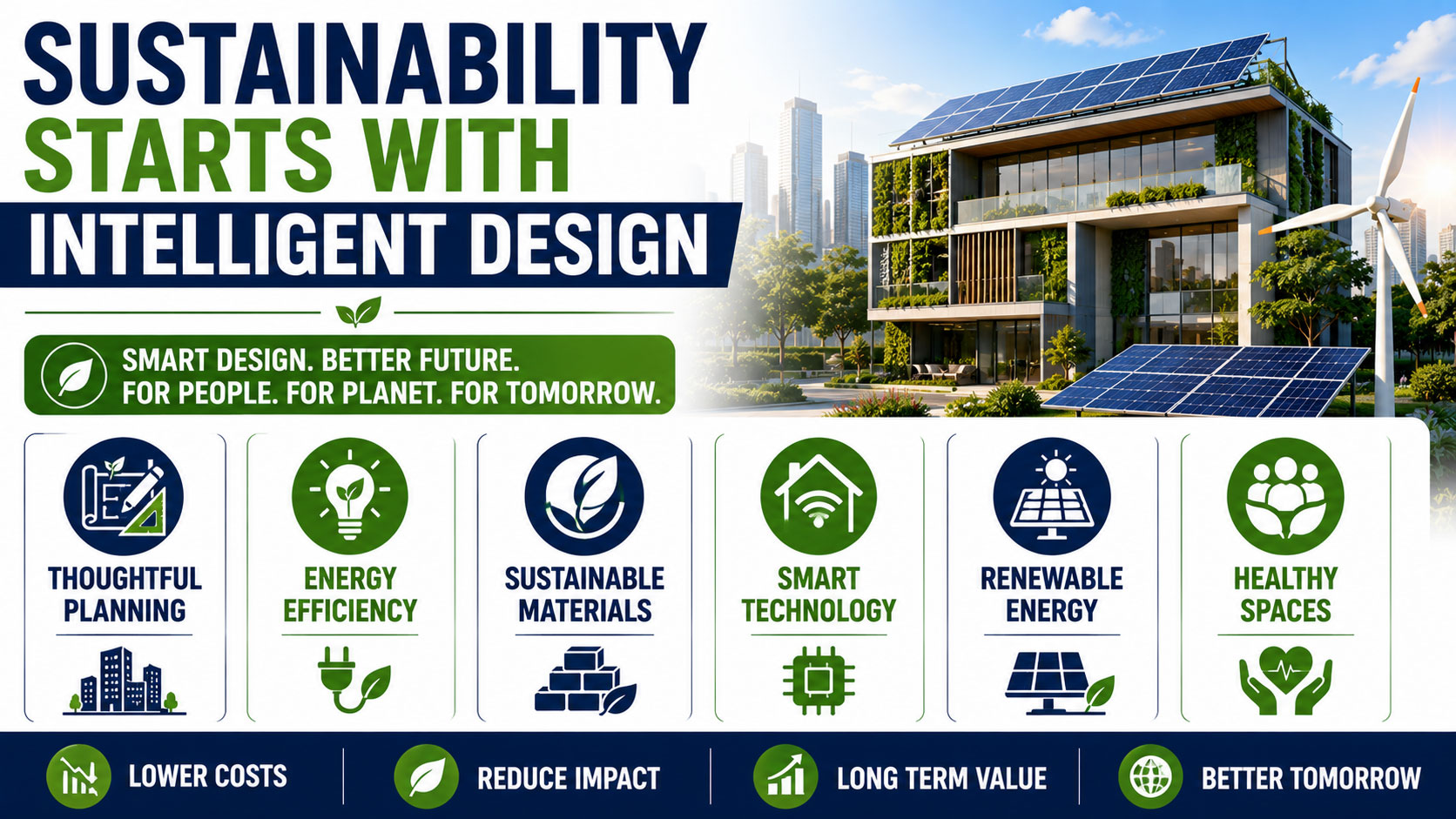
Sustainability has become a key priority in modern construction. AI contributes by recommending eco-friendly materials, optimizing natural lighting, reducing material waste, and improving energy efficiency.
By evaluating environmental impact throughout the design process, AI enables designers to create greener interiors that consume fewer resources while delivering long-term operational savings.
Enhancing Collaboration and Project Execution
AI-powered project management platforms improve collaboration between designers, architects, contractors, suppliers, and clients. Real-time updates, automated scheduling, progress tracking, and digital documentation reduce delays and improve communication throughout the project lifecycle.
This integrated approach results in smoother execution, better quality control, and timely project completion.
The Future of AI in Interior Design
Artificial Intelligence is transforming interior design from a largely manual process into a highly intelligent, data-driven discipline. As AI technologies continue to evolve, they will enable predictive maintenance, digital twins, immersive augmented reality experiences, and even more personalized living environments.
However, technology cannot replace creativity, empathy, or human understanding. The best interior spaces will always combine human imagination with AI-driven intelligence. Designers who embrace AI gain powerful tools that enhance creativity, improve accuracy, and deliver exceptional customer experiences.
At Ashtamangal Solutions & Services, we believe the future of interior design lies in combining engineering expertise, innovative technology, and thoughtful design to create intelligent, beautiful, and sustainable spaces that enrich everyday living.
#AIInteriorDesign #InteriorDesign #SpacePlanning #SmartHomes #HomeAutomation #ArtificialIntelligence #ModernInteriors #SustainableDesign #SmartLiving #AshtamangalSolutions