
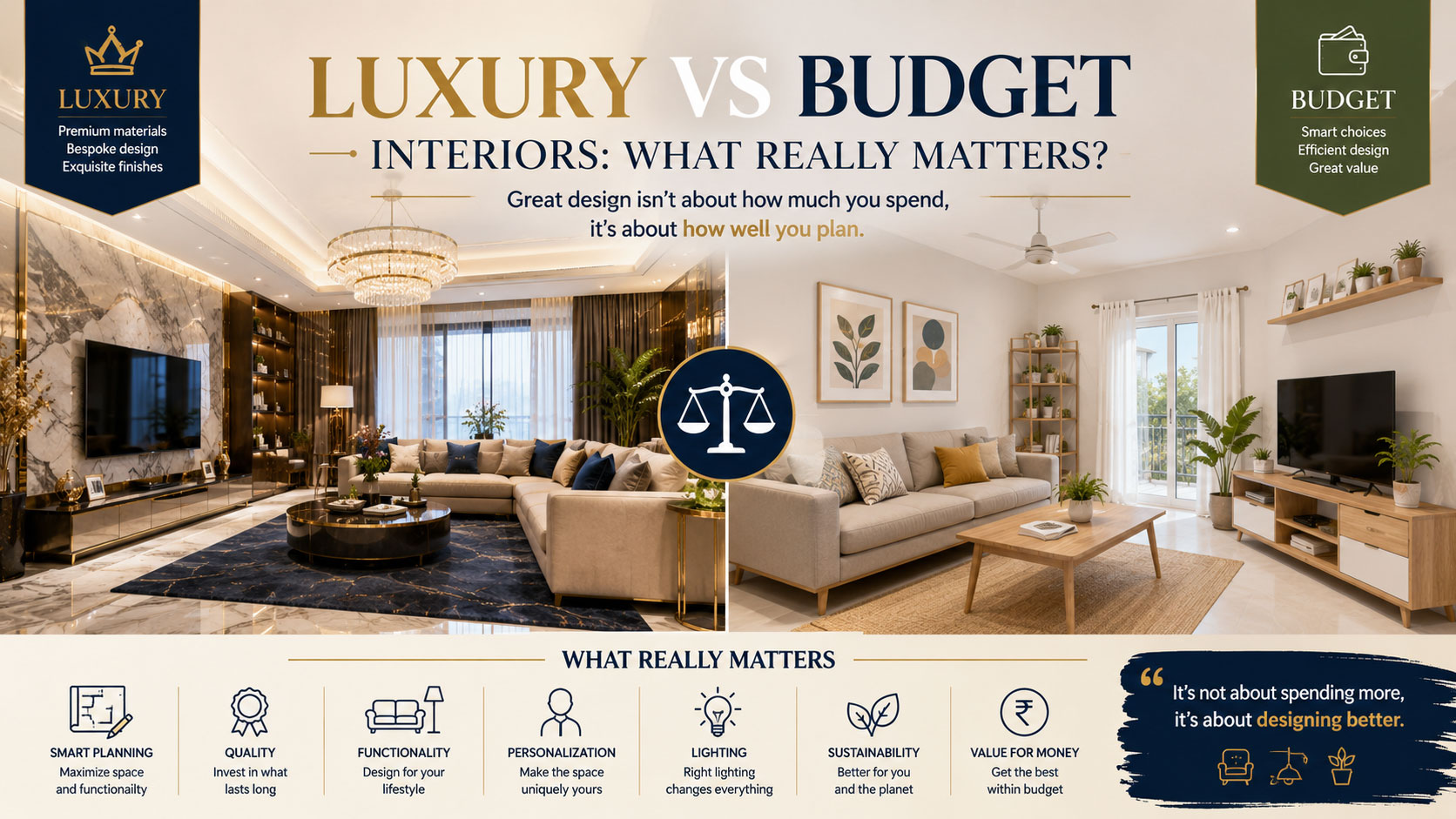
Luxury and budget interiors differ in materials and finishes, but thoughtful planning, quality execution, and functionality matter more than expensive décor alone.
Luxury vs Budget Interiors: What Really Matters?
Creating a beautiful home does not always require an unlimited budget. While luxury interiors often showcase premium materials and bespoke craftsmanship, budget interiors can be equally stylish, functional, and comfortable when designed intelligently. The true difference lies not in how much you spend but in how effectively you plan, prioritize, and execute your vision.
Whether you are designing a new home, renovating an apartment, or furnishing a commercial space, understanding what truly matters helps you make smarter investment decisions.
Luxury Is More Than Expensive Materials
Many people associate luxury interiors with imported marble, designer furniture, premium lighting, and exclusive décor. While these elements certainly enhance aesthetics, luxury is ultimately about creating an exceptional experience.
Luxury interiors focus on seamless layouts, superior craftsmanship, personalized designs, premium finishes, and attention to detail. Every element is carefully selected to complement the overall design language while offering comfort, durability, and exclusivity. A luxury home feels elegant because every component works together harmoniously rather than simply because it costs more.
Budget Interiors Prioritize Smart Planning
Budget interiors do not mean compromising on quality. Instead, they emphasize efficient planning, functional layouts, and thoughtful material selection. By investing in essential features first and choosing cost-effective alternatives for decorative elements, homeowners can achieve impressive results without exceeding their budget.
Modular furniture, durable laminates, engineered wood, locally sourced materials, and energy-efficient lighting offer excellent value while maintaining modern aesthetics. A well-planned budget interior often delivers better long-term satisfaction than an expensive design with poor functionality.
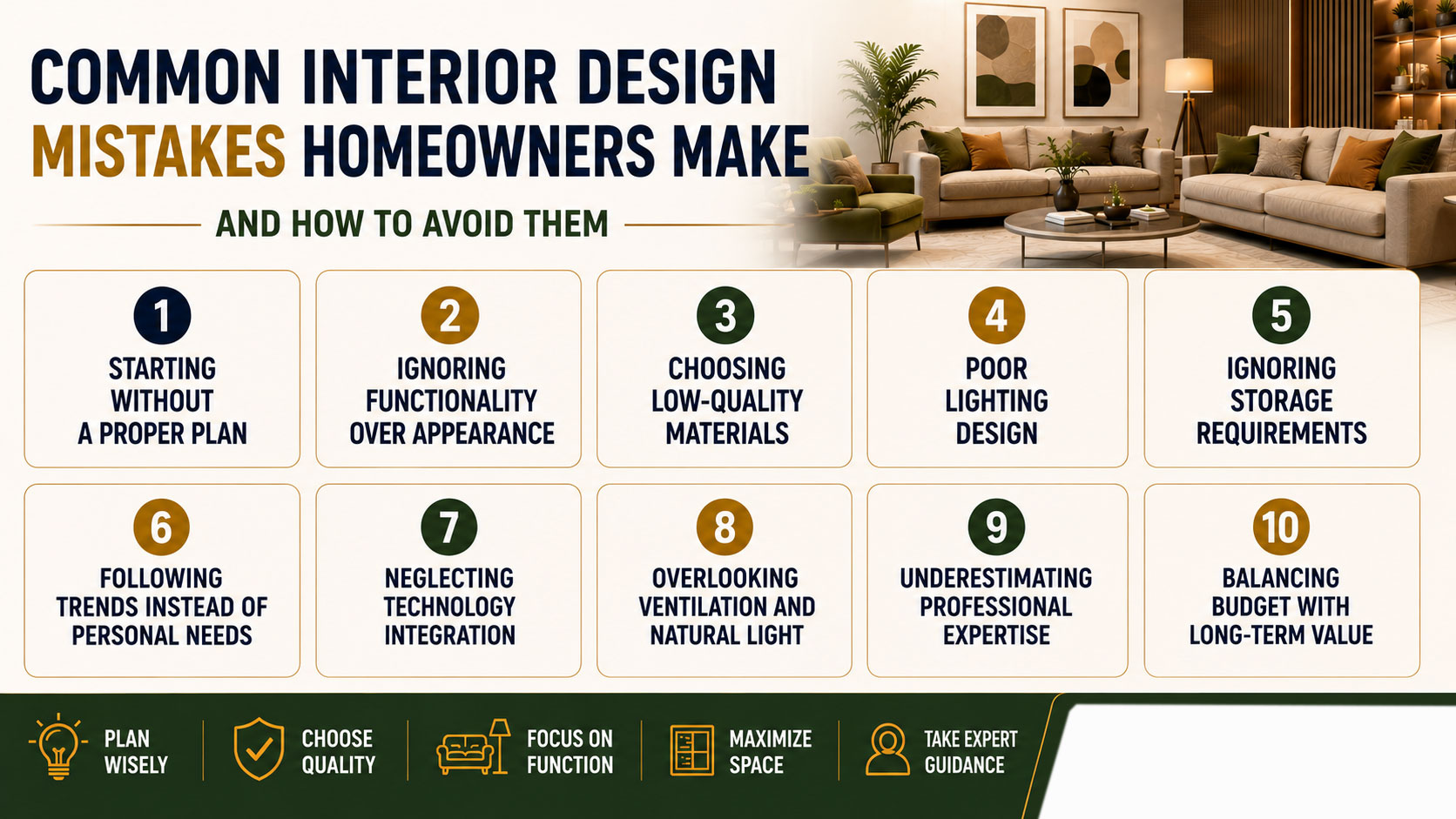
Functionality Always Comes First
Regardless of the budget, every interior should support the way people live and work.
A beautiful living room loses its appeal if furniture restricts movement. Likewise, an expensive kitchen becomes frustrating if storage is poorly planned.
Successful interiors prioritize:
- Efficient space utilization
- Comfortable circulation
- Adequate storage
- Proper lighting
- Easy maintenance
- Practical furniture placement
These fundamentals create spaces that remain useful and enjoyable for years.
Quality Should Never Be Compromised
One of the biggest mistakes homeowners make is reducing quality to save money. While decorative accessories can be upgraded later, core elements should always meet high standards.
Invest in:
- Quality electrical wiring
- Durable plumbing
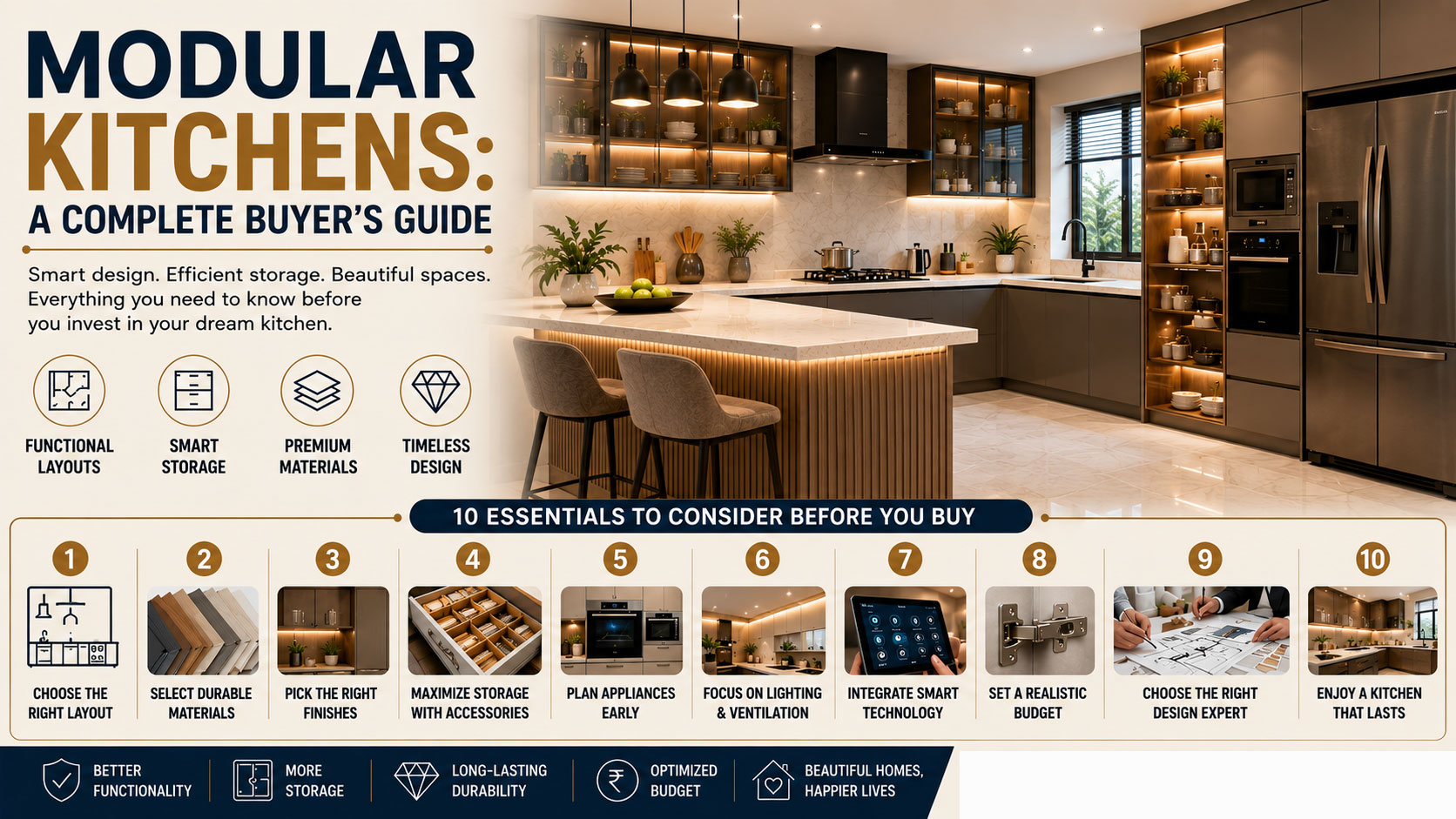
- Strong modular cabinetry
- Reliable hardware
- High-quality waterproofing
- Long-lasting flooring
These components determine the lifespan of your interiors and minimize future maintenance costs.
Personalization Creates Lasting Value
Luxury is not defined by expensive furniture alone – it is defined by how well a space reflects its occupants. Personalized interiors incorporate family lifestyles, daily routines, work requirements, hobbies, and future needs. Whether you prefer contemporary minimalism, traditional elegance, industrial design, or Scandinavian simplicity, your home should represent your personality rather than simply following trends.
Custom-designed spaces always deliver greater satisfaction than copying catalogue designs.
Technology Is Redefining Modern Interiors
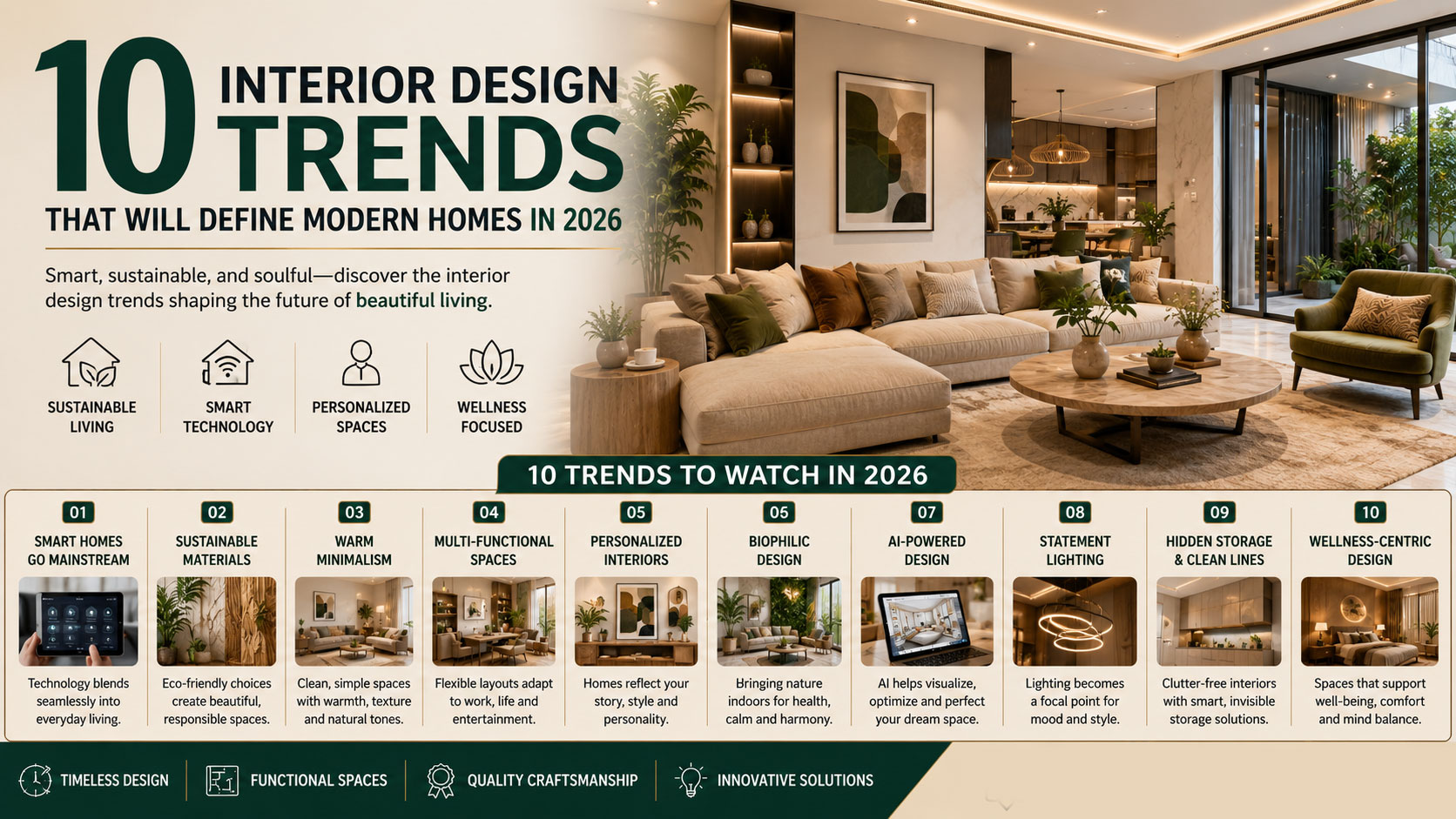
Today’s premium interiors increasingly incorporate smart technologies rather than just premium finishes.
Features such as:
- Smart lighting
- Home automation
- Voice-controlled devices
- Motorized curtains
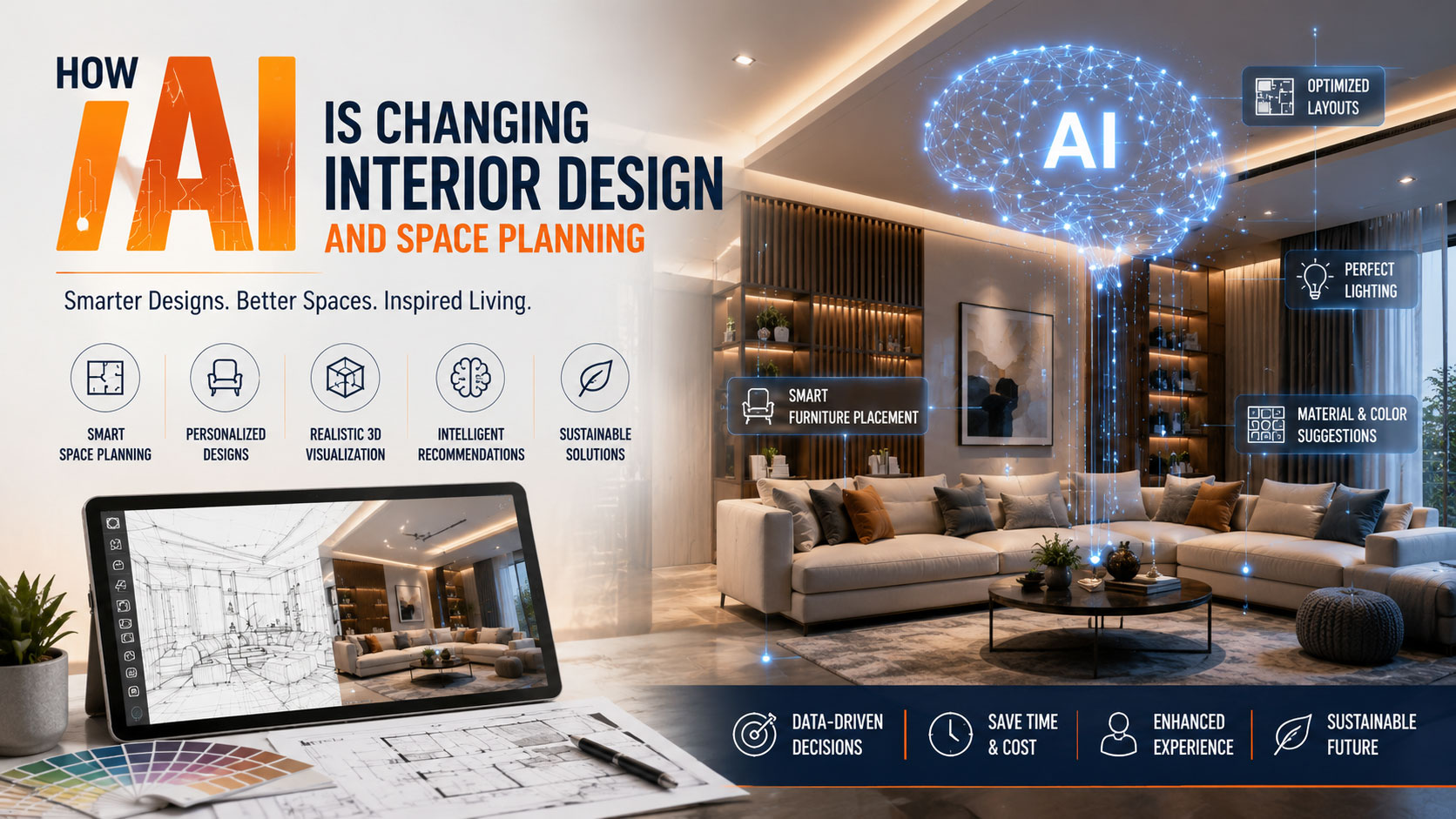
- AI-powered security systems
- Intelligent climate control
enhance convenience, security, and energy efficiency.
These technologies are no longer exclusive to luxury homes. With falling technology costs, even budget-conscious homeowners can enjoy smart living solutions.
Sustainability Adds Long-Term Value
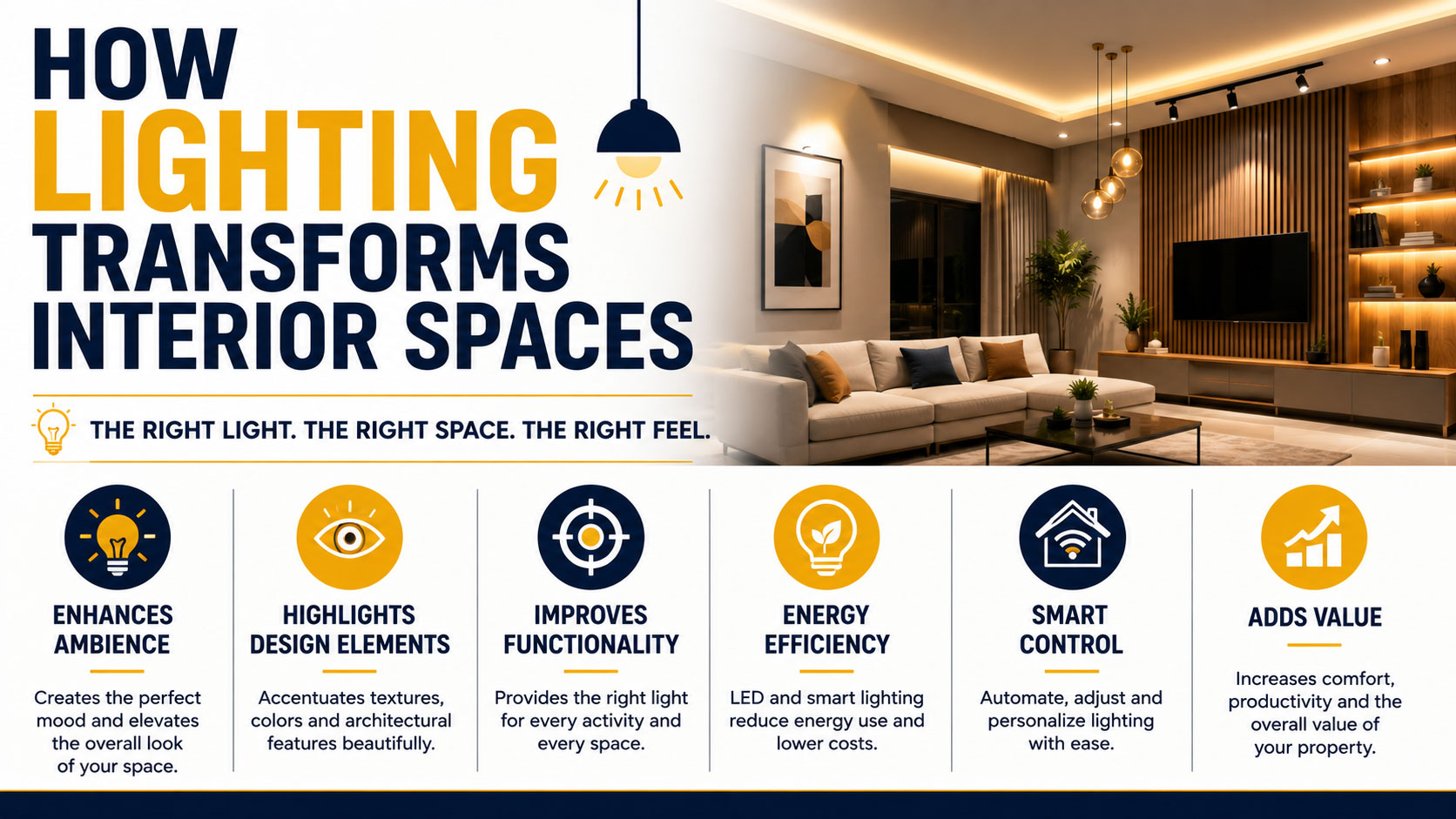
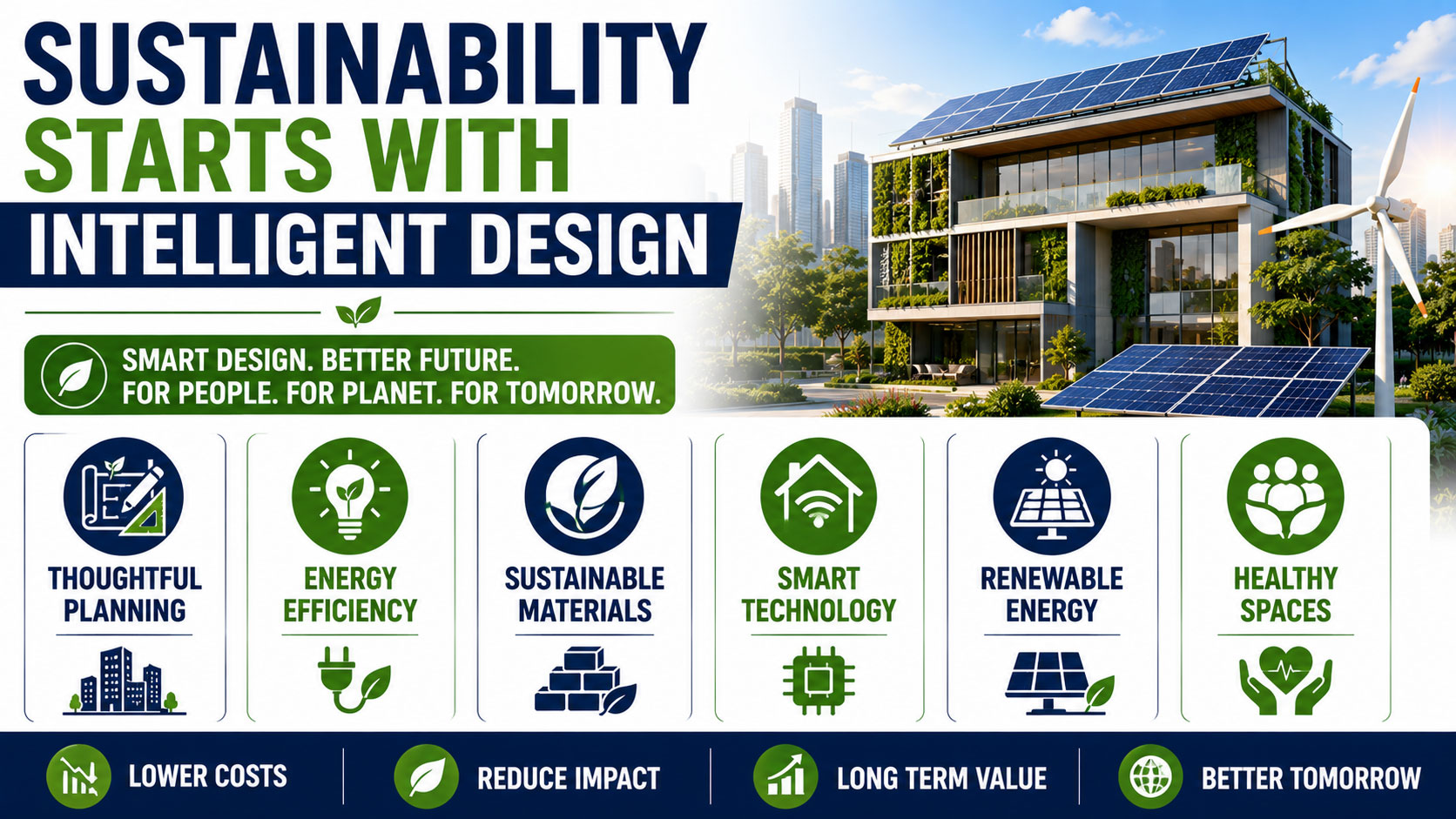
Modern interior design is increasingly focused on sustainability rather than excess. Eco-friendly materials, LED lighting, energy-efficient appliances, natural ventilation, and solar integration reduce environmental impact while lowering operating costs.
Choosing sustainable products often provides better long-term value than selecting expensive decorative items with limited practical benefits.
Professional Design Makes Every Budget Work Better
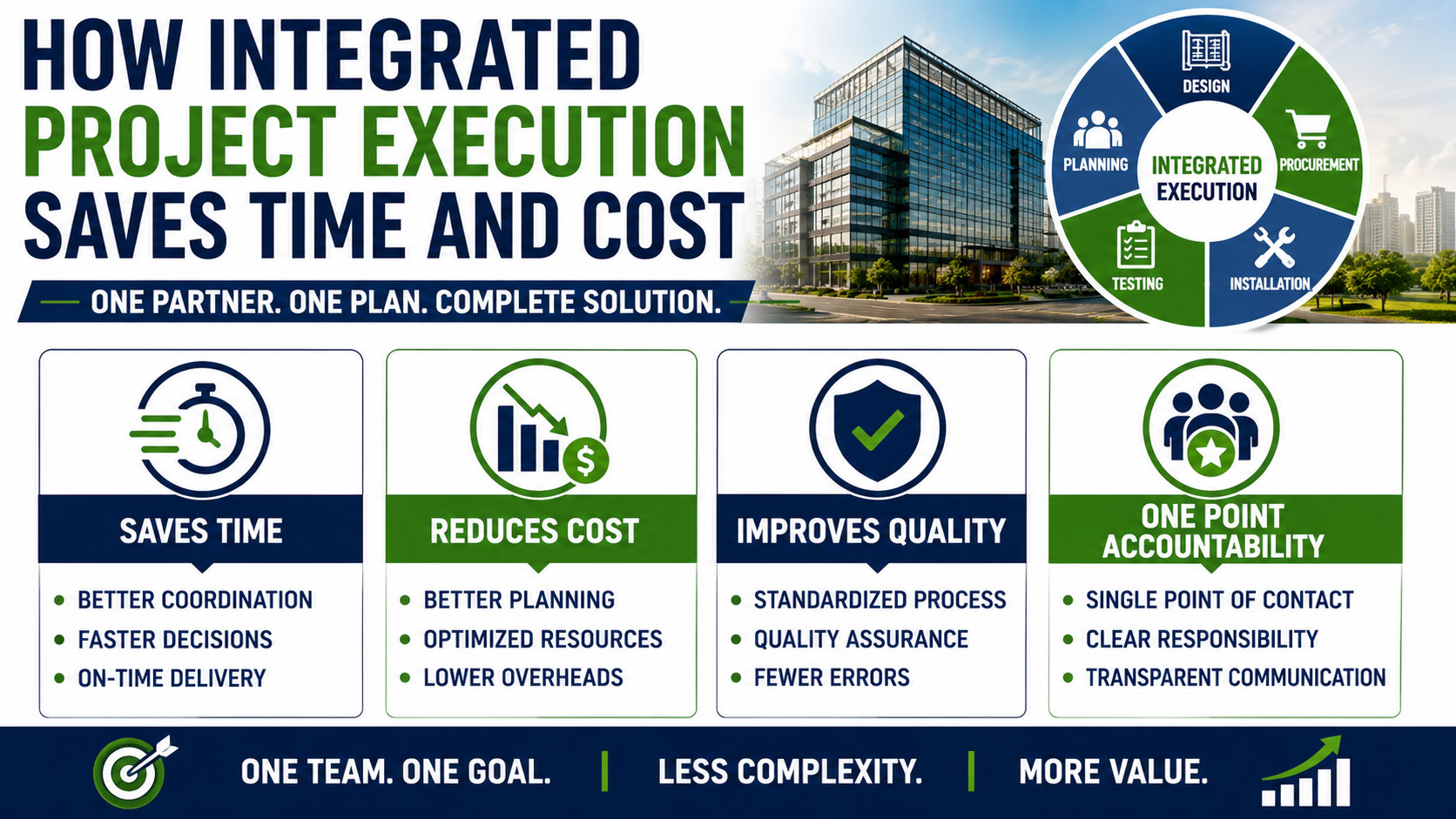
One of the greatest advantages of working with experienced interior professionals is their ability to maximize value. Designers understand where to invest, where to optimize costs, and how to balance aesthetics with functionality. They help homeowners avoid expensive mistakes, manage project timelines, coordinate vendors, and achieve consistent quality throughout the project.
Professional planning often saves more money than attempting costly trial-and-error decisions.
Making the Right Choice
The choice between luxury and budget interiors should never be based solely on price. Instead, it should reflect your lifestyle, priorities, future plans, and investment goals.
A thoughtfully designed budget interior can outperform an expensive but poorly planned space. Likewise, a luxury interior delivers its greatest value when it combines exceptional craftsmanship with intelligent design and practical functionality.
At Ashtamangal Solutions & Services, we believe every project deserves the perfect balance of aesthetics, quality, technology, and value. Whether you are looking for a budget-friendly makeover or a premium turnkey interior solution, our team delivers customized designs that reflect your vision while maximizing every investment.
Beautiful interiors are not defined by how much you spend – they are defined by how intelligently you design.
#LuxuryInteriors #BudgetInteriors #InteriorDesign #HomeInteriors #TurnkeyInteriors #ModularKitchen #SmartHomes #ModernInteriors #AshtamangalSolutions #InteriorDesignIdeas